

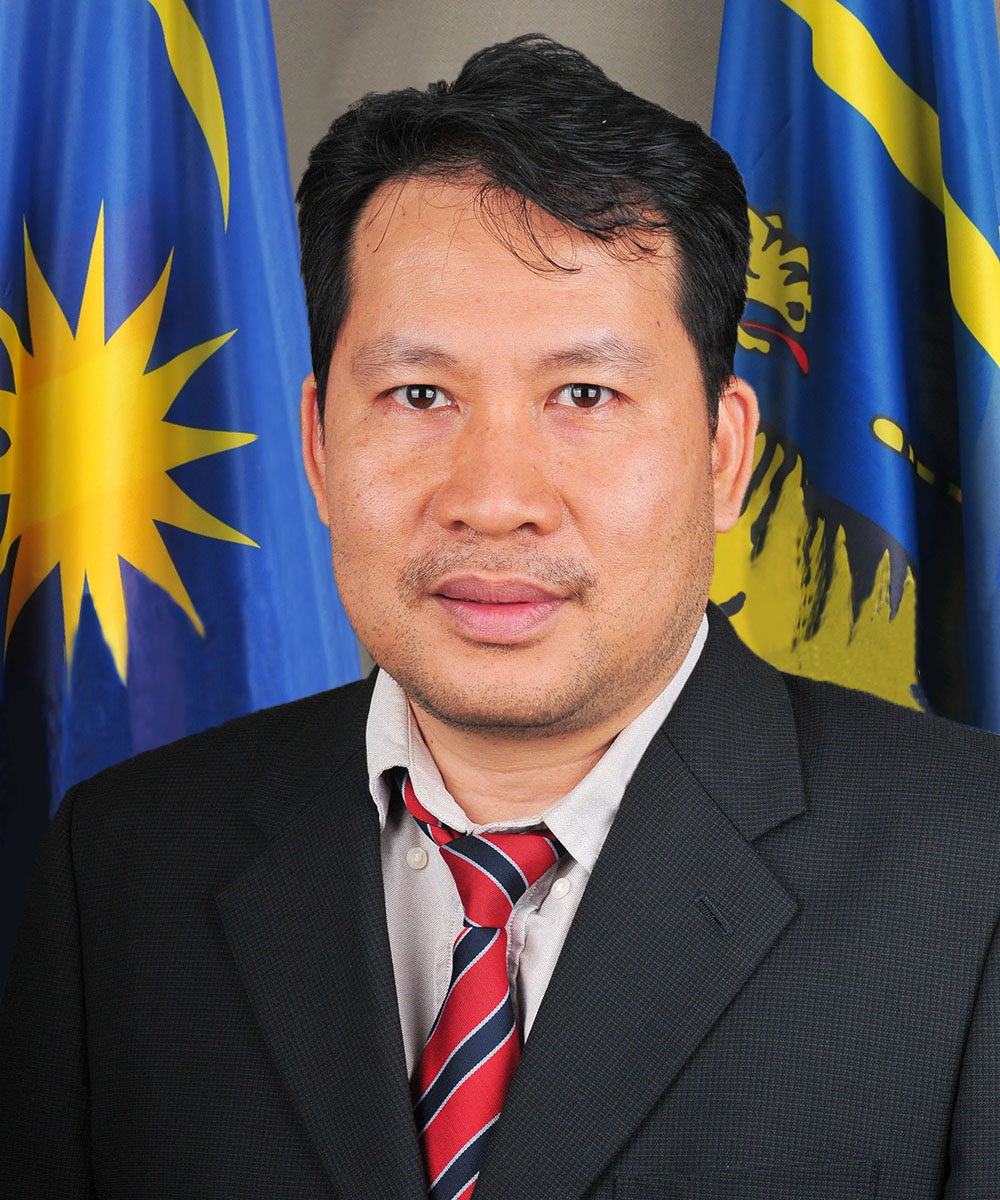
 | Ir. Dr. Hamzah bin Arof My research encompasses time series economics, image processing, robotics, biomedical signals, and photonics. Recent projects include developing optical fiber sensors for humidity detection and exploring ultrafast fiber lasers using novel materials like black phosphorus and graphene oxide as saturable absorbers. I'm investigating Q-switched erbium and ytterbium-doped fiber lasers, as well as mode-locked soliton generation in erbium-doped fiber lasers. My work extends to biomedical applications, such as developing automated systems for detecting Cryptosporidium and Giardia in water samples. I'm also engaged in research on monocular SLAM (Simultaneous Localization and Mapping) and fuzzy Bayesian network control systems for gasoline engines. These projects involve advancing sensing technologies, improving laser systems, and enhancing automated detection methods in various fields. [ONLINE CV] [PUBLONS-Web of Science] [SCOPUS] [GOOGLESCHOLAR] | |
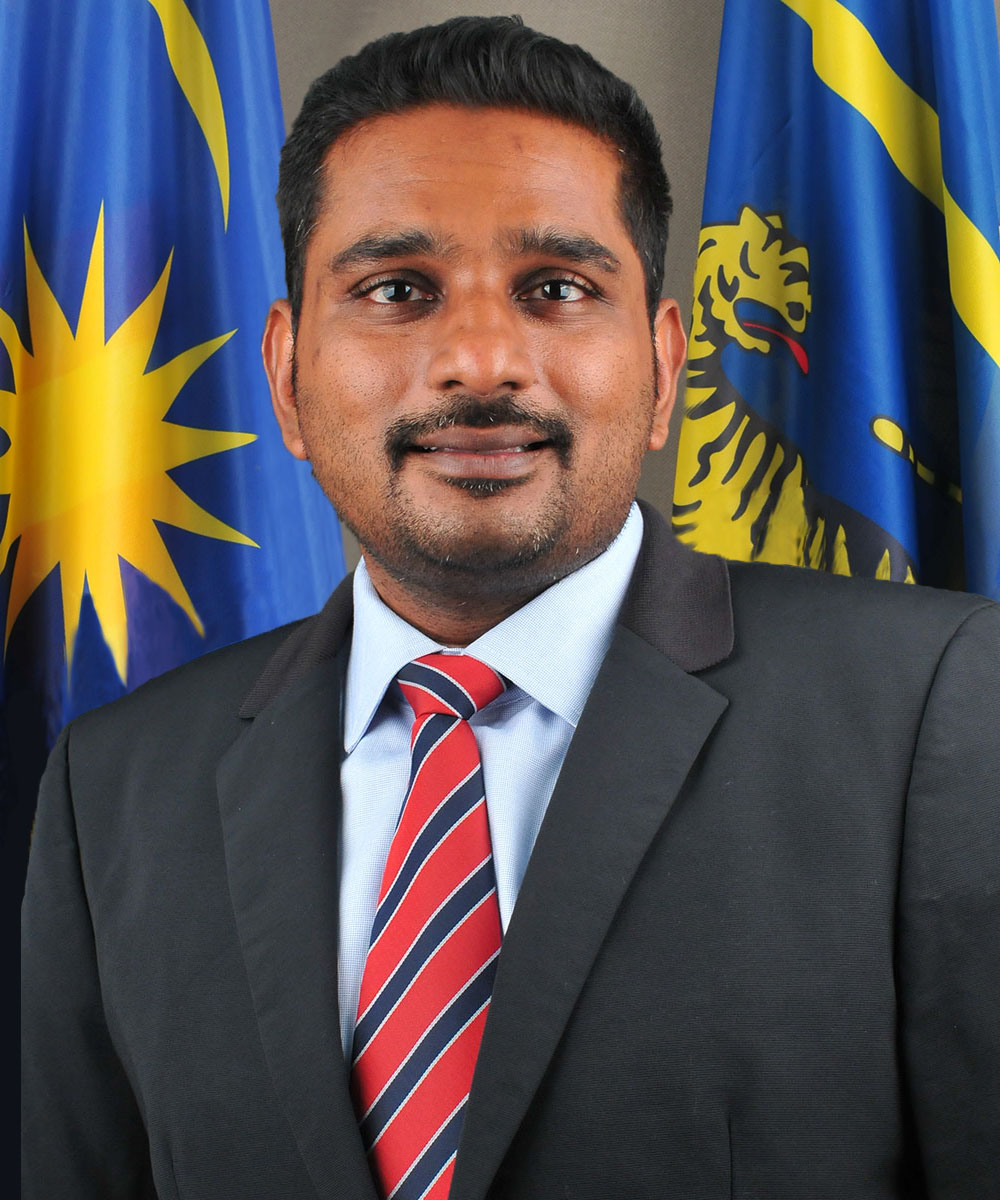 | Ir. Dr. Harikrishnan Ramiah Area of expertise lies in the design of integrated circuits with a specific focus on Radio Frequency Energy Harvesting (RFEH), Power Management Integrated Circuit (PMIC), and Radio Frequency Integrated Circuit (RFIC) design. The researcher currently involved in developing advanced multiband ambient RF energy harvesting front-end systems tailored for sustainable IoT applications and also in creating self-sustainable biomedical devices for improved healthcare technologies. [ONLINE CV] [PUBLONS-Web of Science] [SCOPUS] [GOOGLESCHOLAR] | |
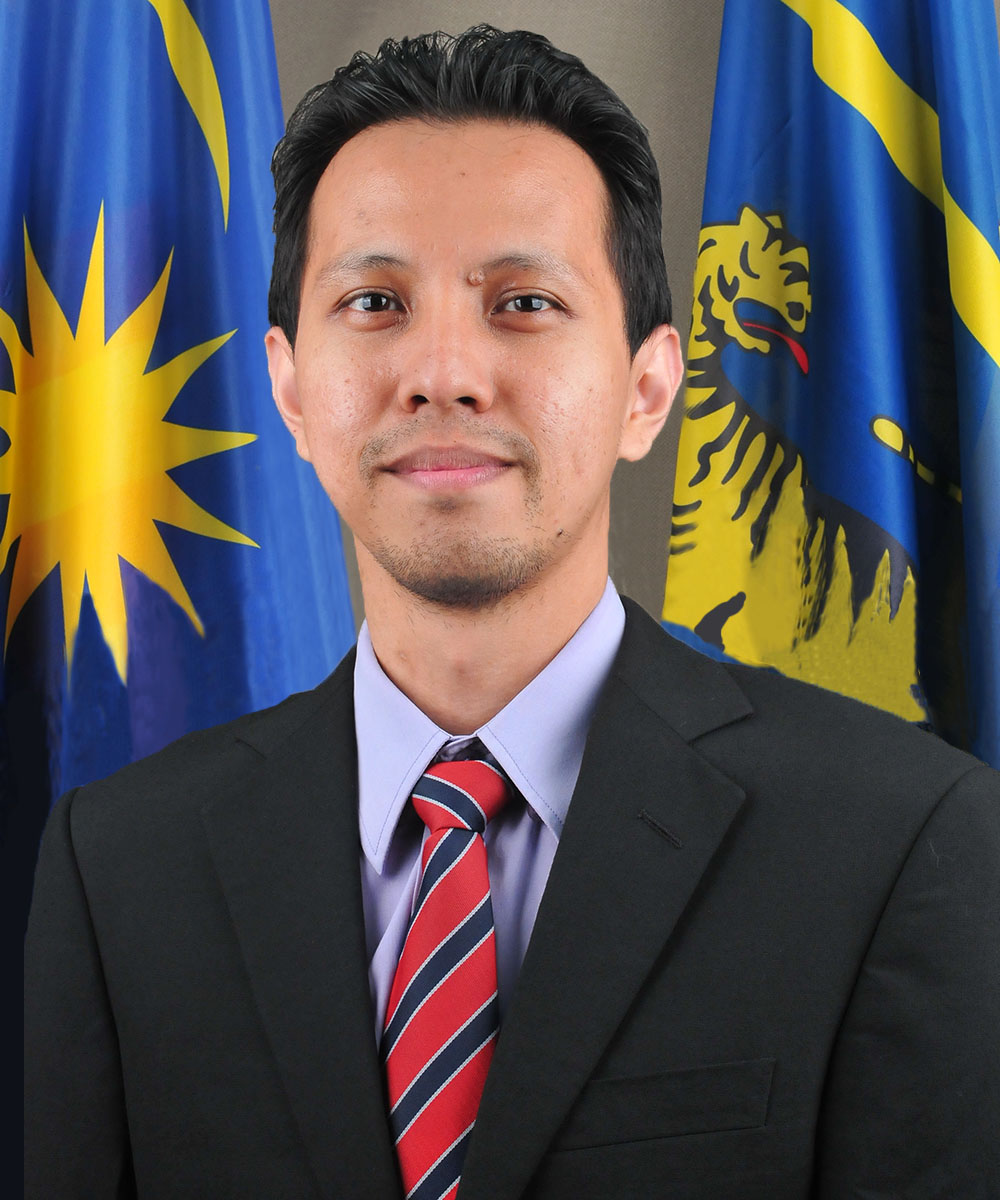 | Ir. Dr. Hazlee Azil Bin Illias Focus in research span the modeling and measurement of partial discharge phenomena in solid dielectric insulation, the monitoring of conditions and diagnosis of insulation systems, as well as the analysis of lightning overvoltage and transmission line modeling. Additionally, I work with optimization methods and am particularly interested in applying artificial intelligence techniques. My latest published work delves into dynamic service restoration using renewable generators and transmission lines, exploring novel ways to improve the dependability and effectiveness of power systems. [ONLINE CV] [PUBLONS-Web of Science] [SCOPUS] [GOOGLESCHOLAR] | |
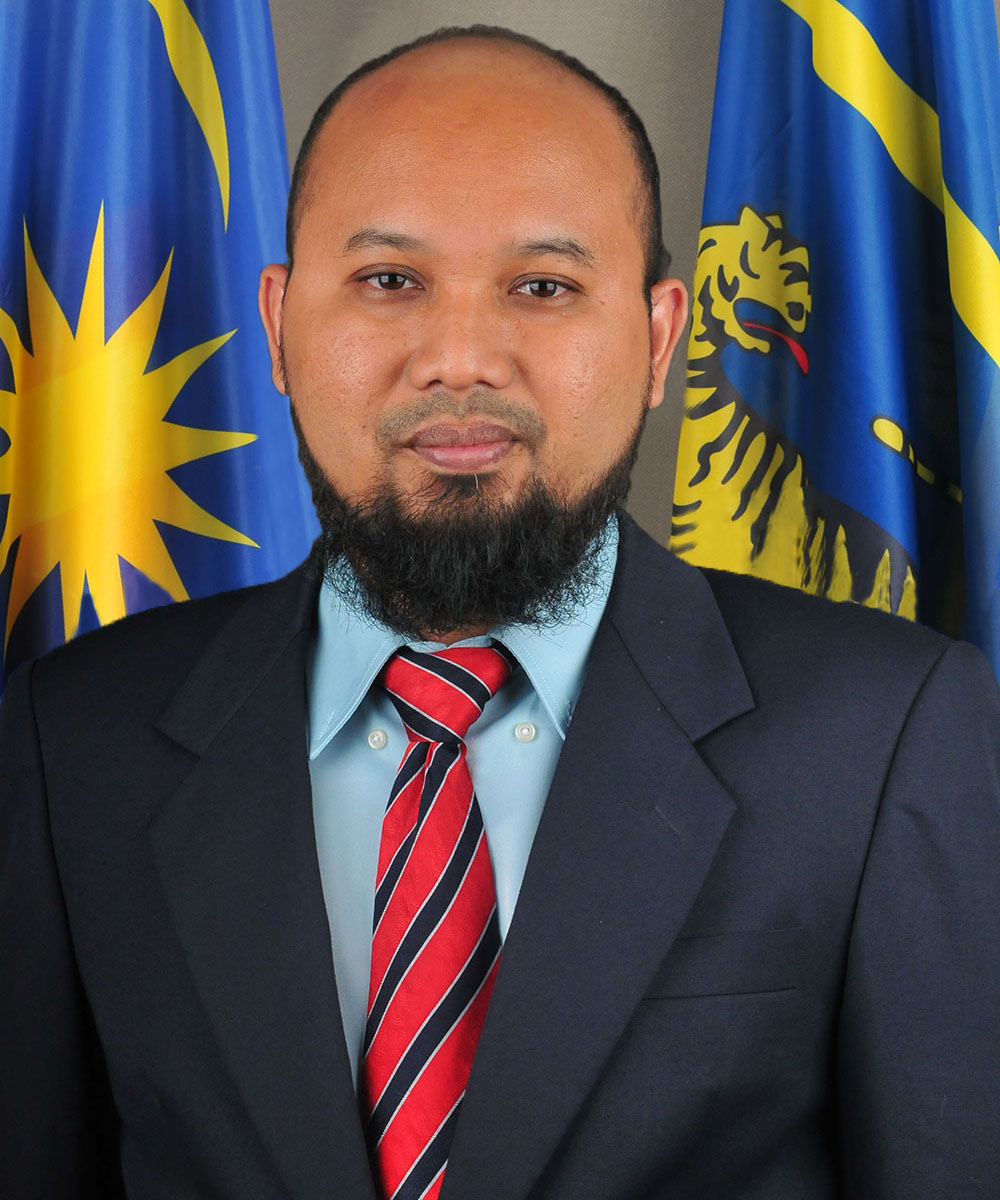 | Ir. Dr. Hazlie Mokhlis Expert in Power System Analysis, with a focus on Distribution Automation, Power Quality, and Fault Location. My most recent research is centered around load frequency control and flexible power systems, specifically emphasizing smart grid technologies. The goal of this work is to improve the efficiency, reliability, and adaptability of modern power distribution networks, ultimately leading to the development of more resilient and intelligent energy systems. [ONLINE CV] [PUBLONS-Web of Science] [SCOPUS] [GOOGLESCHOLAR] | |
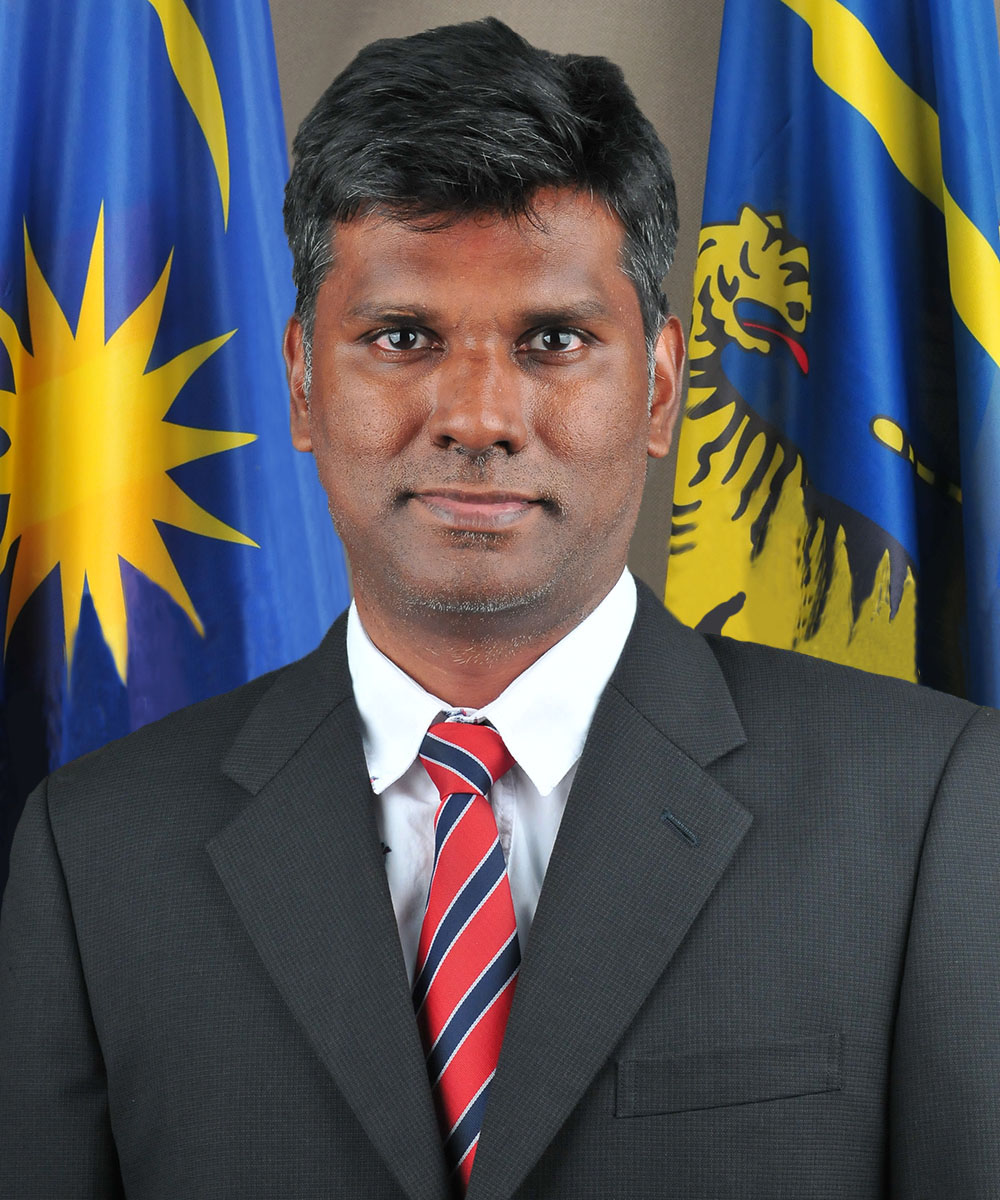 | Ir. Dr. Jeevan Kanesan Area of specialization is in Autonomous Systems with a focus on Optimization (specifically Optimal Control), Machine Learning/Deep Neural Networks (DNN), Swarm Intelligence, Multi-Agent Systems, and the Finite Element Method. In most recent research working on developing intelligent charging control for power aggregators used for electric vehicles. The primary goal is to optimize the charging process, improve energy efficiency, and facilitate the integration of renewable energy sources within smart grids. [UMEXPERT PROFILE] [PUBLONS-Web of Science] [PUBLICATIONS] [GOOGLESCHOLAR] | |
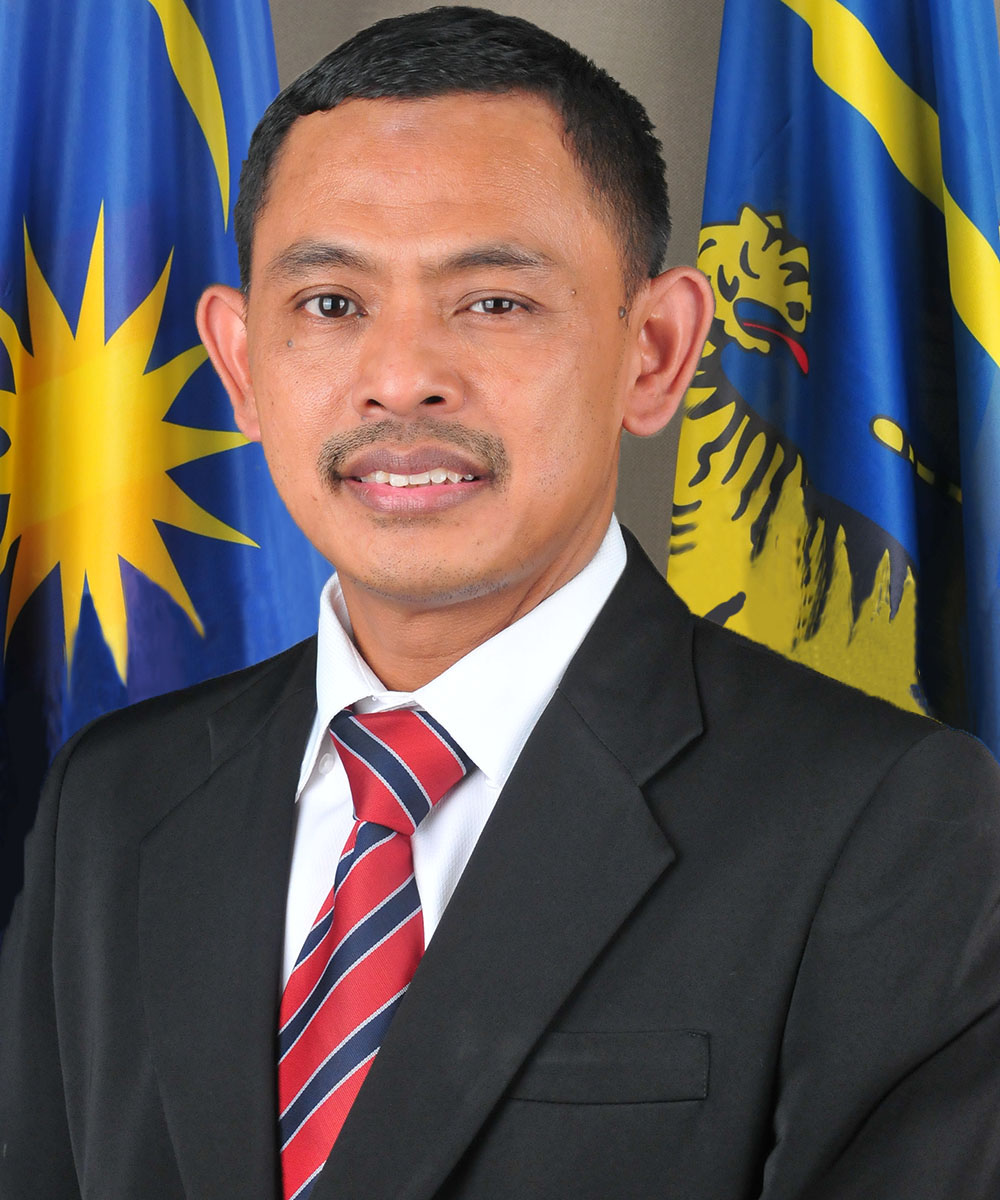 | Ir. Dr. Kaharudin Bin Dimyati Area of specialization focuses on Wireless and Optical Communication Systems. Currently involved in cutting-edge research involving the use of YOLOv5s for the detection and classification of railway track surface erosion-caused holes and scratches defects, as well as the development of a deep learning-based asymmetrical autoencoder to reduce peak-to-average power ratio (PAPR) in cyclic prefix orthogonal frequency-division multiplexing (CP-OFDM) systems. This research is geared towards improving the reliability and efficiency of communication systems and infrastructure monitoring. [ONLINE CV] [PUBLONS-Web of Science] [SCOPUS] [GOOGLESCHOLAR] | |
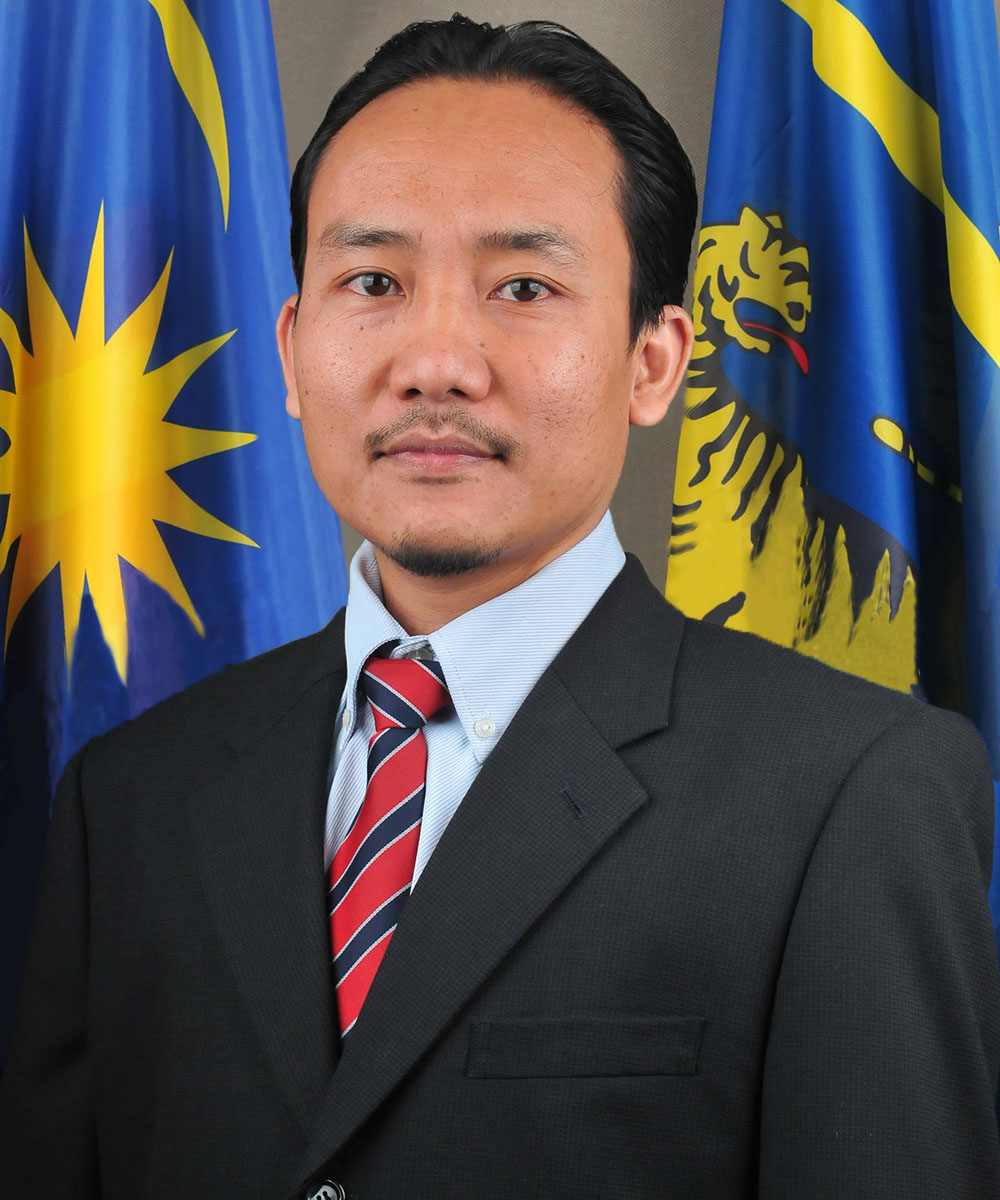 | Ir. Dr. Kamarul Ariffin Bin Noordin My primary area of expertise lies in the field of Wireless Communication and Technologies. This includes in-depth knowledge of communication equipment, cognitive radio networks, wireless access technology, and ensuring Quality of Service in wireless broadband. My latest research is centered around assessing the performance of multiple relay SWIPT-enabled cooperative NOMA networks in the presence of interference. I am also delving into the exploration of recent advancements, challenges, and future trends in machine learning-empowered emerging wireless networks for 6G. [ONLINE CV] [PUBLONS-Web of Science] [SCOPUS] [GOOGLESCHOLAR] | |
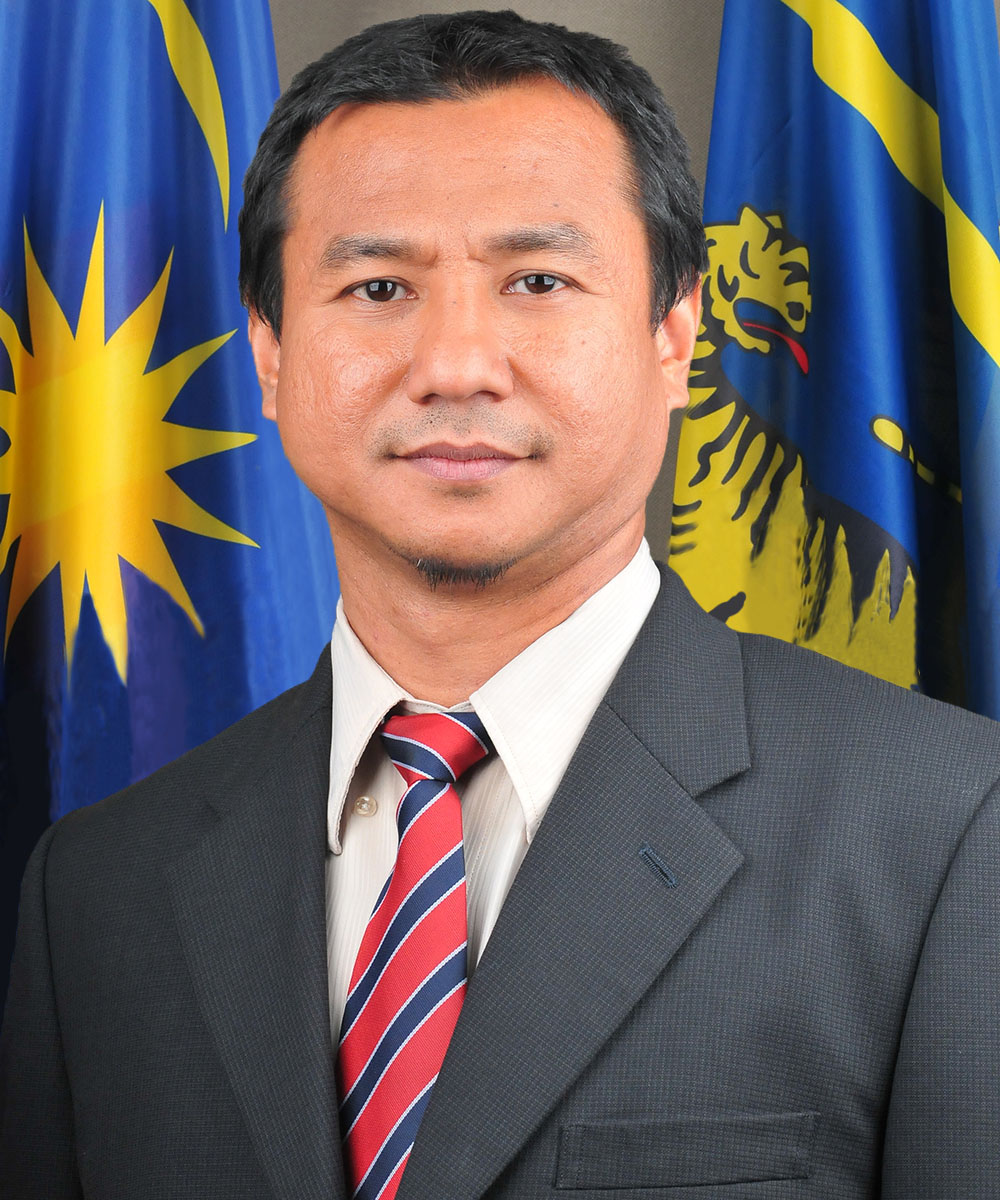 | Ir. Dr. Mahidzal Bin Dahari His diverse research interests encompass the fields of instrumentation, automation, robotics, and control strategy, with a specific focus on advancements in manufacturing technology, industrial robotics, and applications within the oil & gas industry. His recent research endeavors include delving into the optimization of the heat absorption process in phase change materials within a unique finned-plate latent heat storage system, leveraging the power of artificial neural networks. Additionally, he has been actively involved in the development of hybrid models that explore the mechanical properties and hardness of aluminum alloy 5083 and C100 Copper through the application of various machine learning algorithms in the context of friction stir welding. [ONLINE CV] [PUBLONS-Web of Science] [PUBLICATIONS] [GOOGLESCHOLAR] | |
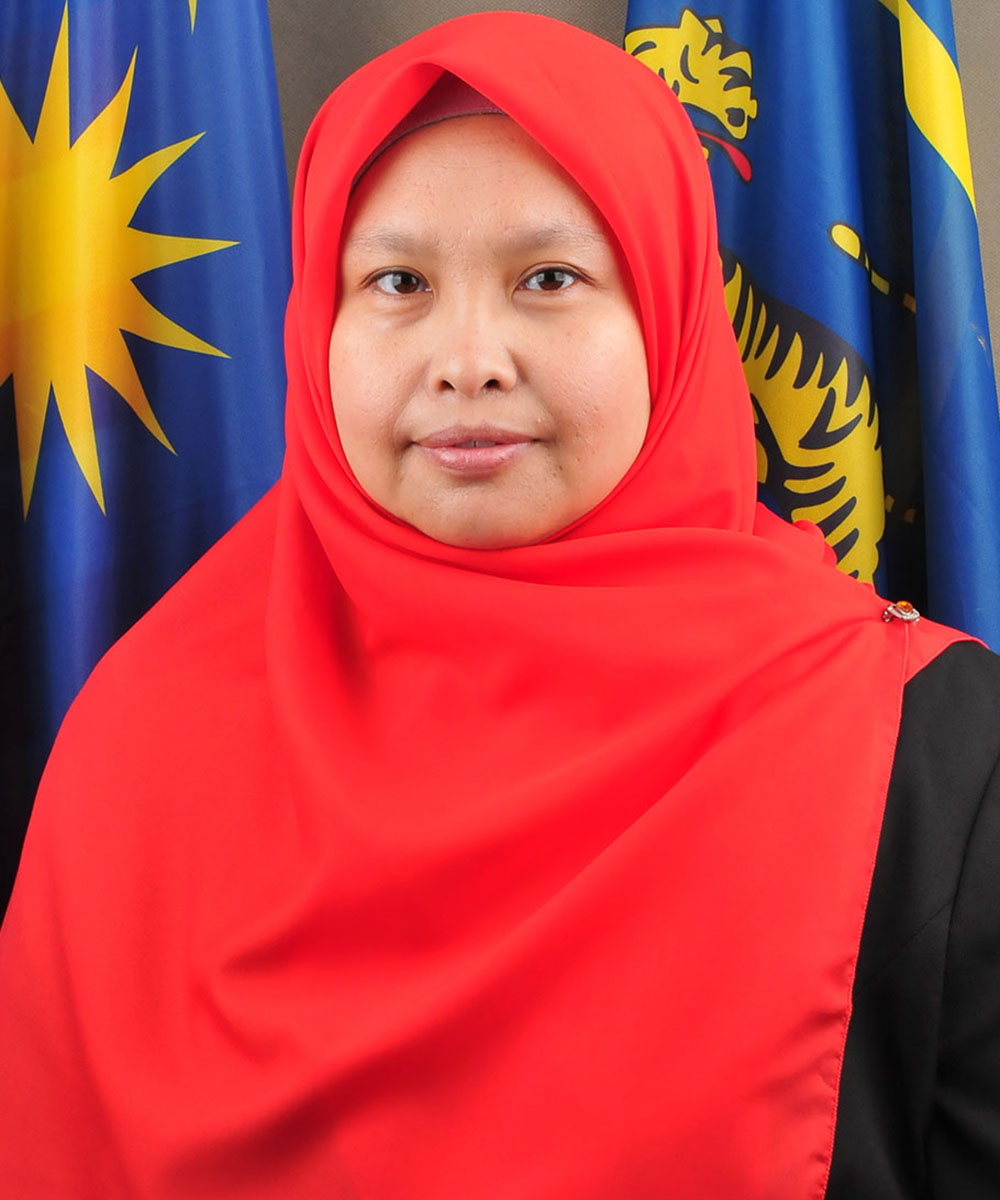 | Ir. Dr. Suhana Binti Mohd Said Research expertise cover a wide range of advanced technologies. Specialization in electronic materials, particularly in using molecular modeling techniques. Extensive research on electronics packaging, specifically in lead-free solder alloys, and nanotechnology, with a focus on thermoelectric materials and devices. Recent research has centered on exploring the amplified spontaneous emission and optical gain characteristics of sexithiophene single crystals, as well as developing molecular design strategies for spin-crossover (SCO) metal complexes (Fe(II) and Co(II)) for thermoelectric applications. Research also involved in the molecular design of spin-crossover complexes as photocatalysts for artificial photosynthesis using density functional theory modeling. [ONLINE CV] [PUBLONS-Web of Science] [SCOPUS] [GOOGLESCHOLAR] | |
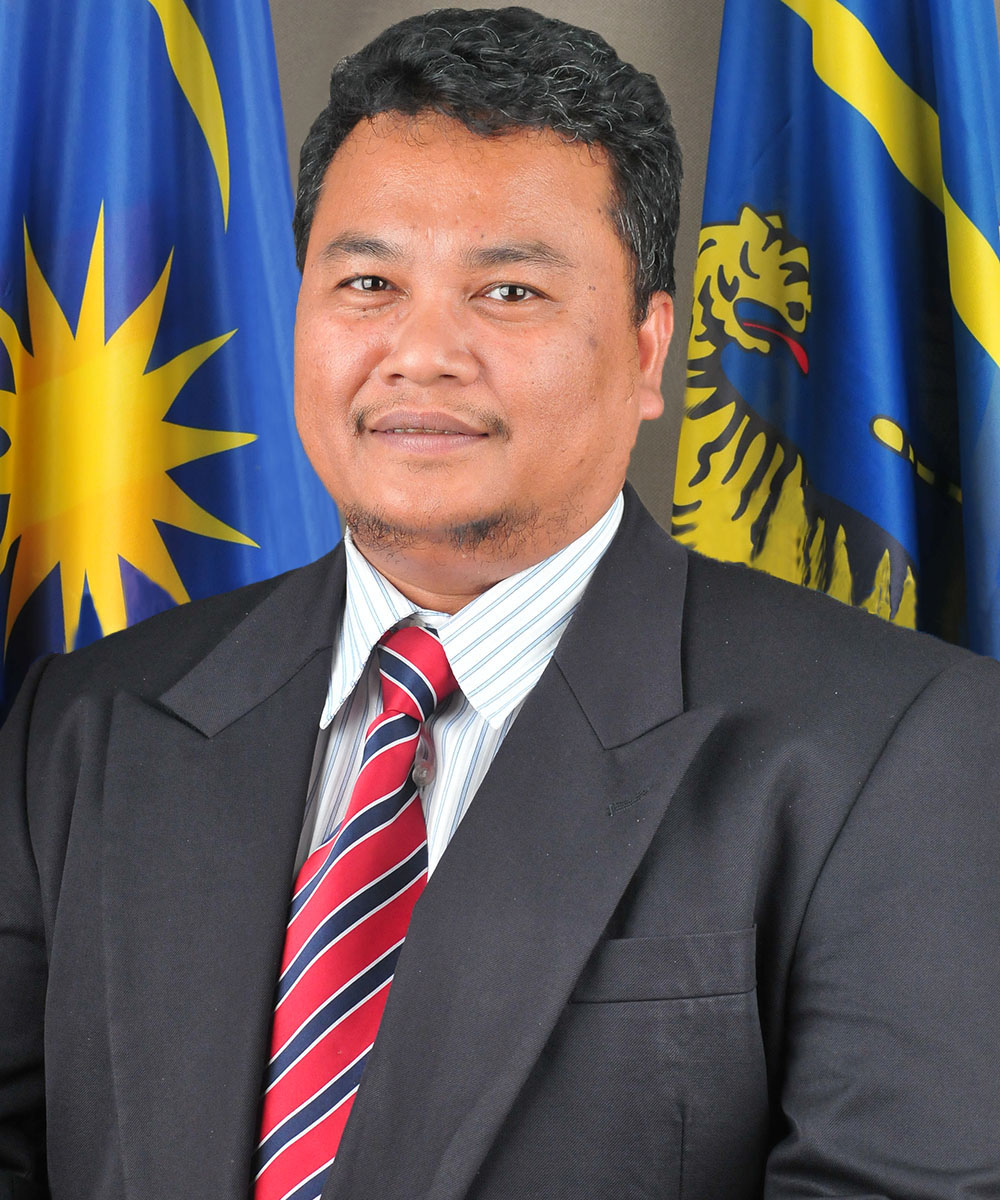 | Ir. Dr. Sulaiman Wadi Harun Research specialization in photonic technology and have been conducting recent research on various innovative applications. This includes utilizing nickel disulfide saturable absorbers as Q-switchers in erbium-doped fiber laser cavities, investigating photonics technologies for sustainable development, and applying photonics technology in the oil and gas industry. Research also focused on improving laser performance, advancing sustainability through photonics applications, and providing innovative optical solutions to enhance industry processes. [ONLINE CV] [PUBLONS-Web of Science] [SCOPUS] [GOOGLESCHOLAR] | |
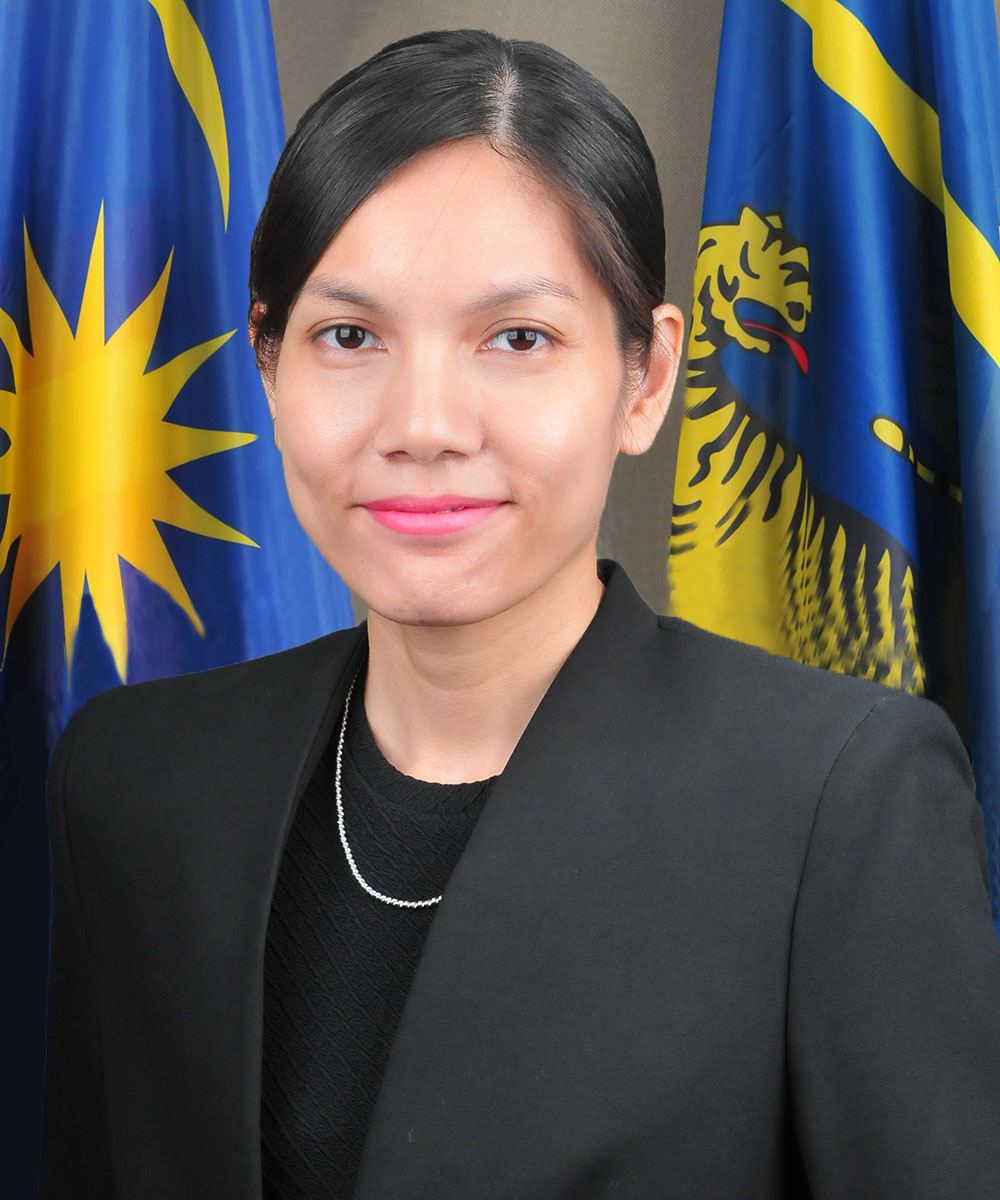 | Dr. Anis Salwa Binti Mohd Khairuddin Current research is focused on advancing the capabilities of autonomous systems through image processing and computer vision. Utilizing advanced techniques such as machine vision, image processing, and object detection to enhance autonomous systems. Recent projects include refining YOLO models for automatic garbage detection, improving texture image classification using adaptive SVM, and designing lightweight CNN models for automated object detection in aerial images, particularly on resource-constrained embedded devices. Furthermore, my expertise extends to intricate areas such as pattern recognition and signal processing within expert systems. [ONLINE CV] [PUBLONS-Web of Science] [SCOPUS] [GOOGLESCHOLAR] | |
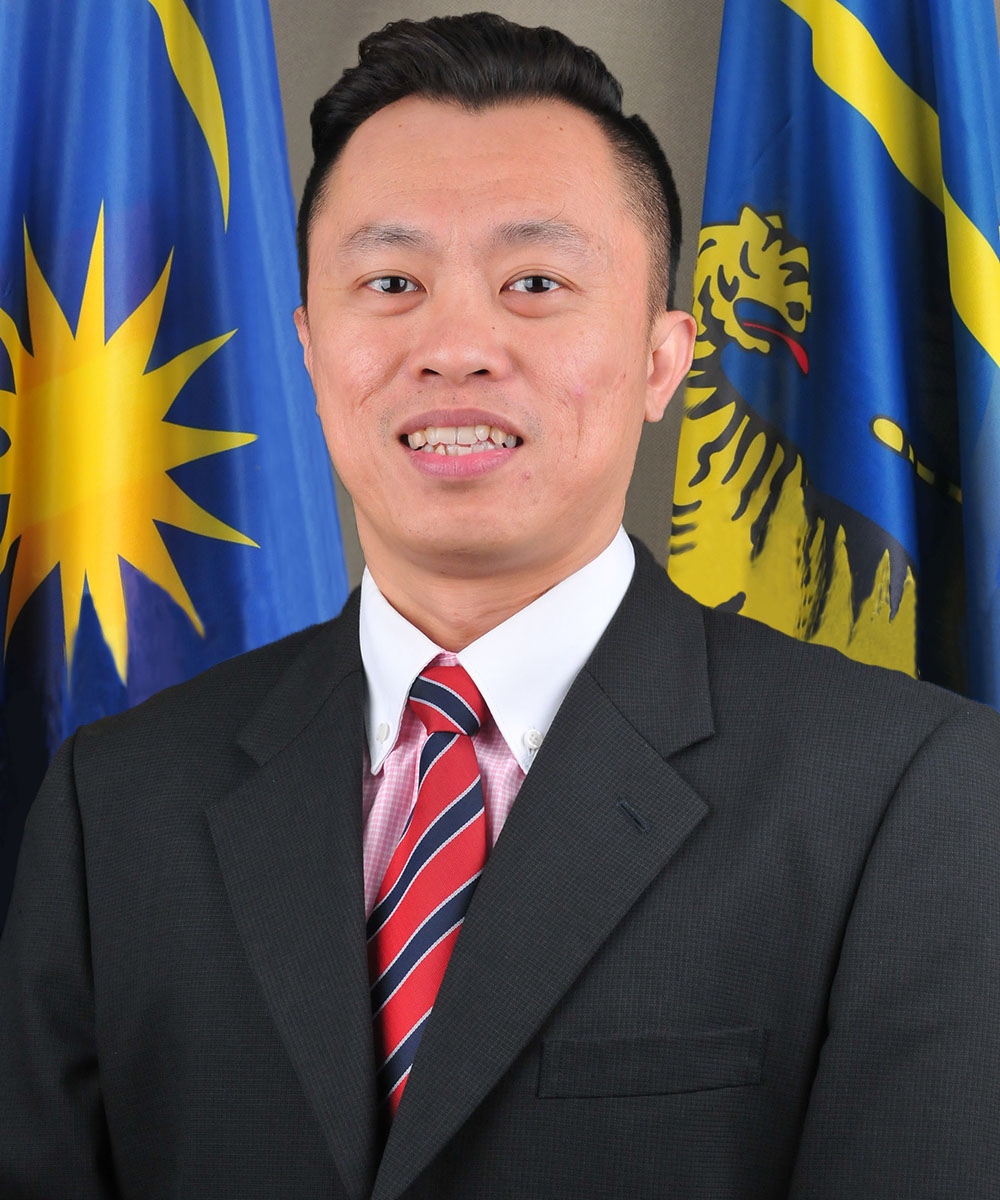 | Ir. Dr. Chow Chee Onn My research focuses on wireless communications, communication networks, data analytics, artificial intelligence, and multimedia applications. I'm currently investigating resource allocation for multicell device-to-device communications using machine learning and big data analytics. Another ongoing project involves optimizing communication efficiency in AIoT-based federated learning. I'm also working on computational detection and interpretation of heart disease using ensemble-learning frameworks, and exploring deep learning approaches for air quality prediction using Internet of Things. My recent work has included studies on vehicle recognition and classification using computer vision and deep learning techniques. [UMEXPERT PROFILE] [PUBLONS-Web of Science] [SCOPUS] [GOOGLESCHOLAR] | |
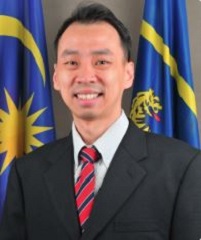 | Ir. Dr. Chuah Joon Huang Associate Professor My research centers on deep learning approaches for computer vision and image processing tasks. I've developed methods for vehicle recognition, noise detection, and structural crack segmentation using convolutional neural networks. Recent projects include applications of deep learning for durian cultivar classification and diabetic retinopathy detection. I'm currently leading research on intelligent vehicle recognition systems and noise analysis in images using deep neural networks. Ongoing work involves studying resource allocation in 5G networks and sustainable transportation using AI. As Scientific Advisor to Genome Solutions, I contribute to industry-relevant research. I'm also investigating thermodynamics and kinetics for green extraction of boswellic acids using machine learning and data analytics. Additionally, I'm exploring deep learning techniques for device-to-device communications in 5G networks. [ONLINE CV] [PUBLONS-Web of Science] [SCOPUS] [GOOGLESCHOLAR] | |
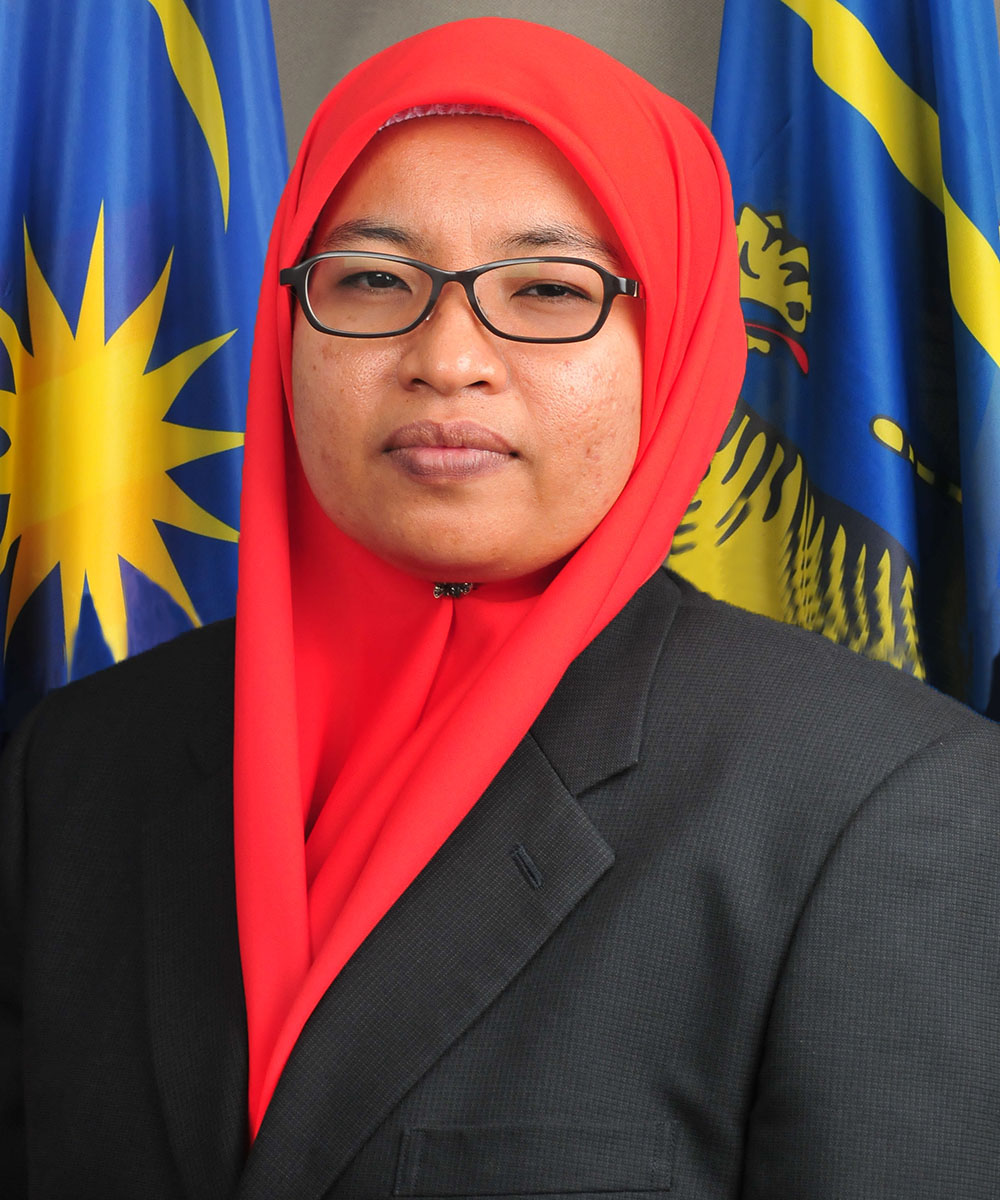 | Dr. Marizan Binti Mubin Research focuses on the implementation of control systems in power electronics, power systems, and energy management. Recent research dedicated to advancing the field by developing an adaptive perturb and observe algorithm. This algorithm features an enhanced skipping feature aimed at achieving fast global maximum power point tracking under partial shading conditions. Additionally, research also involves creating an enhanced scanning technique tailored for flexible power point tracking in similar environments. The ultimate goal of these endeavors is to enhance energy efficiency and reliability in photovoltaic systems. [UMEXPERT PROFILE] [PUBLONS-Web of Science] [PUBLICATIONS] [GOOGLESCHOLAR] | |
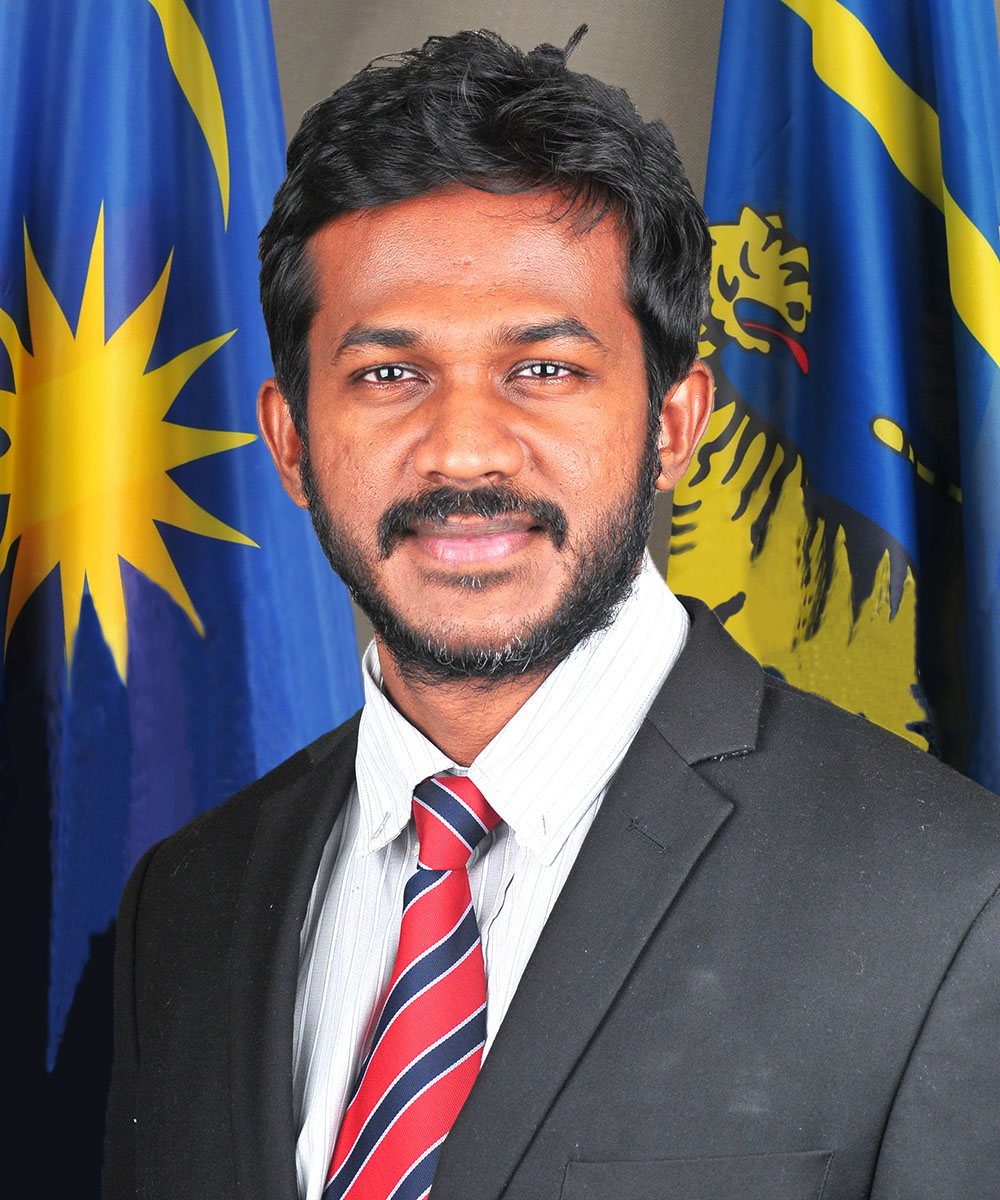 | Dr. Narendra Kumar Aridas Specialization revolves around the Industrial Internet of Things (Industry 4.0), as well as applied semiconductor devices. Have extensive experience in RF and microwave engineering. Recent research, focused on creating a wireless sensor network tailored for use in agricultural greenhouses. This involves refining the Zigbee protocol to improve its functionality. Additionally, researcher also has been working on the development of a broadband RF power amplifier, utilizing a blend of large signal X-parameters and real frequency techniques. The ultimate goal of these endeavors is to elevate connectivity, efficiency, and overall performance across a range of industrial applications. [UMEXPERT PROFILE] [PUBLONS-Web of Science] [PUBLICATIONS] [GOOGLESCHOLAR] | |
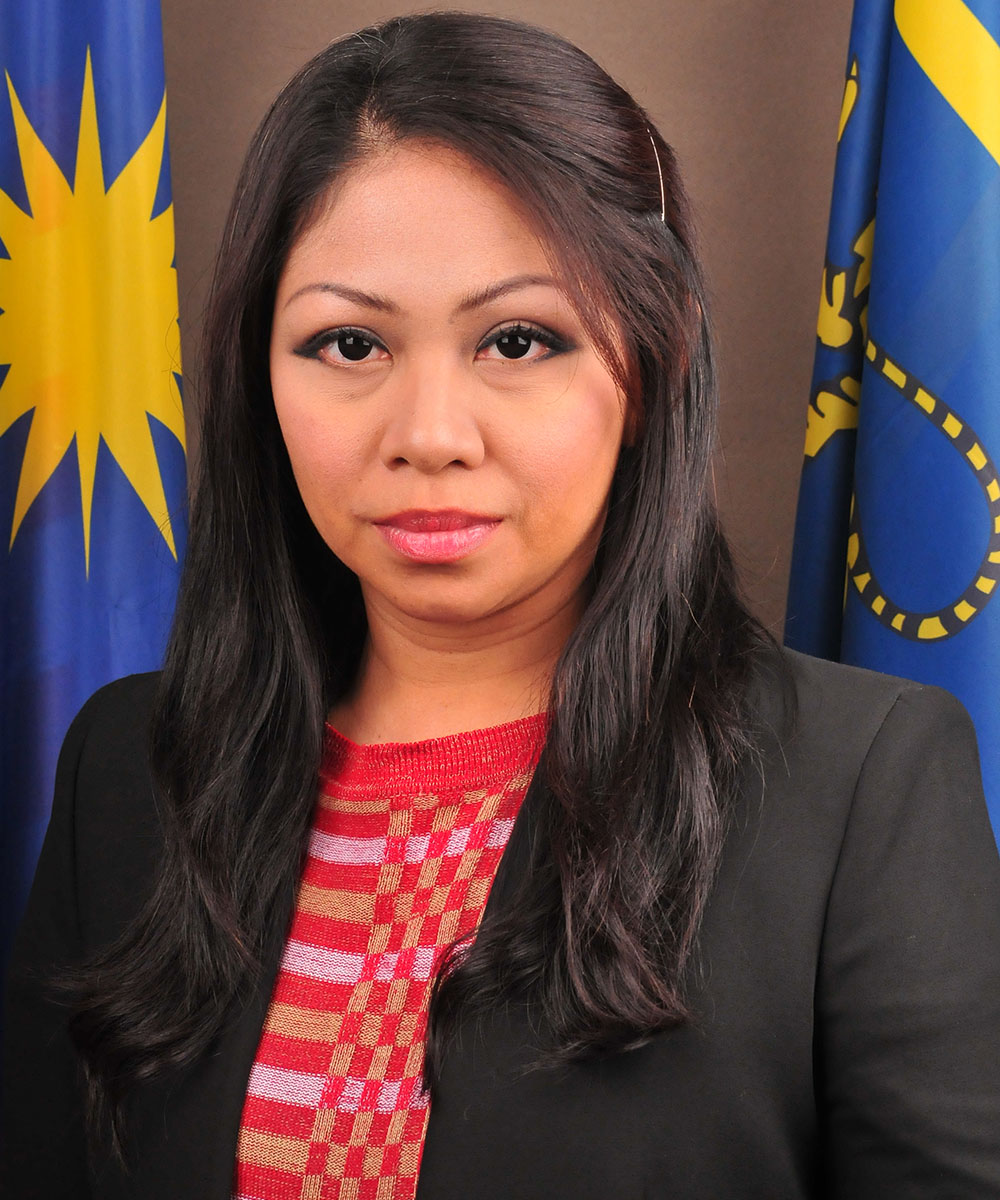 | Ir. Dr. Norrima Binti Mokhtar Specialize in a wide range of areas including human-centered robotics, human-machine interfaces, brain signal classification (specifically in relation to EEG teleoperated robots), and biomedical engineering, focusing on brain-computer interfaces. Recent research projects include developing methods for mapping gas concentrations and localizing sources for environmental monitoring using unmanned aerial systems with model-free reinforcement learning agents. Research also conducted a systematic literature review on autonomous path planning for unmanned aerial vehicles, worked on creating a micro-bottle resonator for sodium hypochlorite sensors, and developed a fully automated unsupervised artifact removal system for multichannel EEG using wavelet-independent component analysis. [ONLINE CV] [PUBLONS-Web of Science] [SCOPUS] [GOOGLESCHOLAR] | |
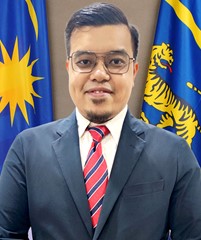 | Dr. Ahmad Haziq Aiman Bin Rosol Specialize in photonic technology with a strong emphasis on pulse fiber lasers, nonlinear optics, and optical materials engineering. Specialized in the design and development of Q-switched and mode-locked fiber lasers using novel saturable absorbers, including MXene, gold nanoparticles, and eco-friendly polymers such as PAN. Extensive experience in erbium- and neodymium-doped fiber laser systems, with applications in advanced optical sensing, sustainable photonics, and industrial laser technologies. Proficient in fiber tapering, D-shape fiber structures, and the integration of photonic innovations for energy, manufacturing, and communication sectors. [ONLINE CV] [PUBLONS-Web of Science] [SCOPUS] [GOOGLESCHOLAR] | |
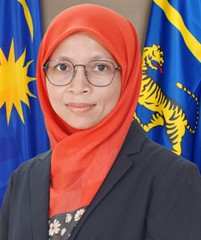 | Dr. Azimah Binti Omar My research focuses on solar photovoltaic systems, nanomaterials, and solar cell technologies. I'm currently leading a project on TiO2-based dye-sensitized solar modules doped with rare-earth ytterbium ions for indoor applications. I'm also involved in collaborative research on fault detection in power systems with high renewable energy penetration, and developing nano-coating compositions for solar PV glass panels. Additionally, I'm working on a study of adsorption mechanisms of functionalized granular activated carbon for pollutant removal in wetland water treatment. My work includes solar PV module testing for industry using electroluminescence equipment. I've published on topics like graphene quantum dots in dye-sensitized solar cells and electron transport analysis in titanium dioxide solar cells. [ONLINE CV] [PUBLONS-Web of Science] [SCOPUS] [GOOGLESCHOLAR] | |
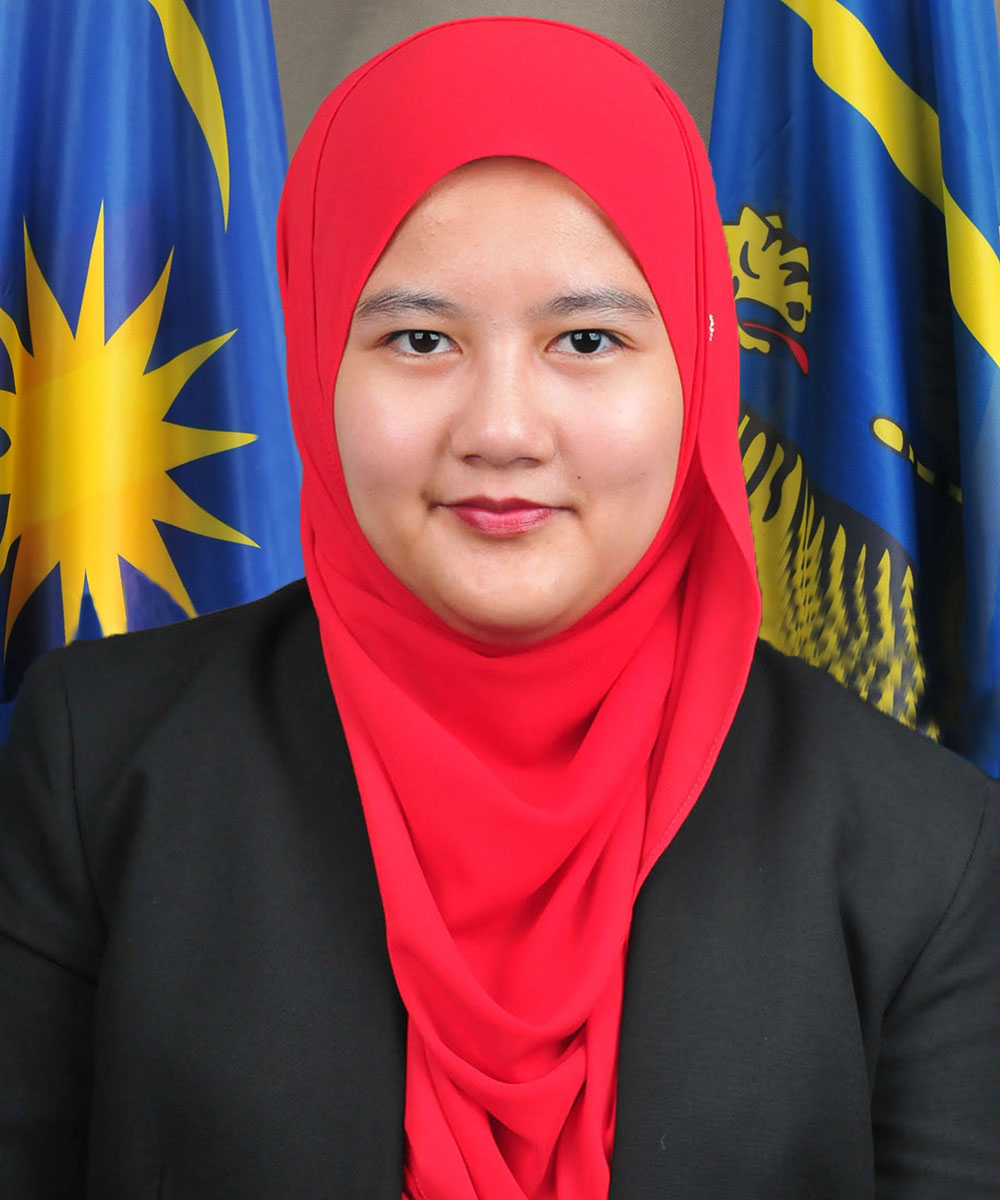 | Dr. Effariza Binti Hanafi My research focuses on Internet of Things system integration and smart systems, 5G wireless communications, channel characterization, cooperative and distributed communications, and non-orthogonal multiple access. I also work on RF technologies including PCB fabrication and UHF RFID tag antennas, as well as optical communications involving fiber lasers and sensors. Currently, I'm leading a project on energy-efficient network coding for massive IoT-5G networks. My ongoing work includes studies on game-theoretic power allocation for non-orthogonal multiple access systems. I'm also involved in projects exploring millimeter wave-based microcellular networks, device-to-device communications in 5G networks, and the development of advanced mode-locked fiber lasers for medical applications. [ONLINE CV] [PUBLONS-Web of Science] [SCOPUS] [GOOGLESCHOLAR] | |
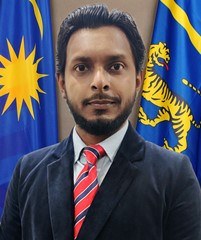 | Dr S. M. Kayser Azam Senior Lecturer Specialized in antennas, radio frequency (RF) sensors, RF energy harvesting, microwave devices, and applied electromagnetics. Recent research interests include developing smart RF sensors for high-voltage insulation fault diagnosis and environmental monitoring applications. Currently, pioneering the unique concept of the standalone identification antenna (SIDA), a multifunctional device that combines antenna, RFID, and chipless sensing capabilities in a single unit. Future vision is directed towards mmID sensors and quantum antennas. Also interested in transdisciplinary research. [ONLINE CV] [PUBLONS-Web of Science] [SCOPUS] [GOOGLESCHOLAR] | |
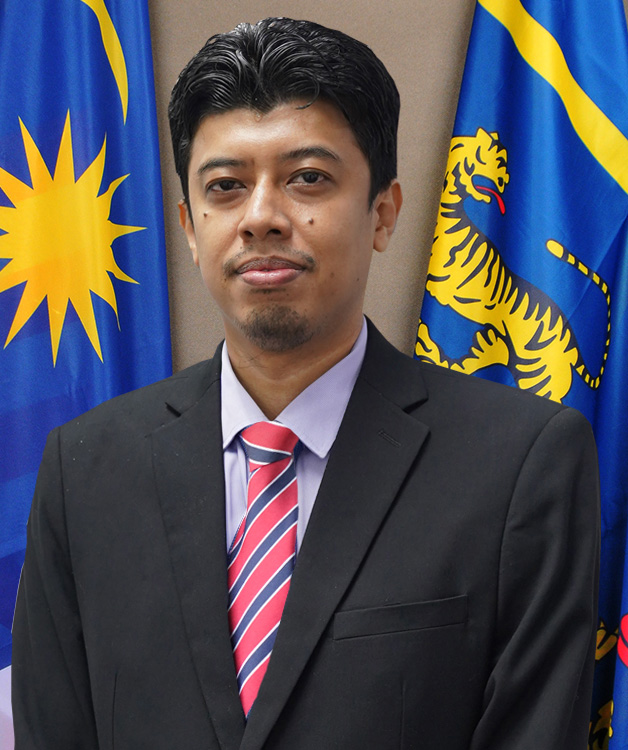 | Dr Megat Muhammad Ikhsan Megat Hasnan Senior Lecturer [UMEXPERT PROFILE] [PUBLONS-Web of Science] [PUBLICATIONS] [GOOGLESCHOLAR] | |
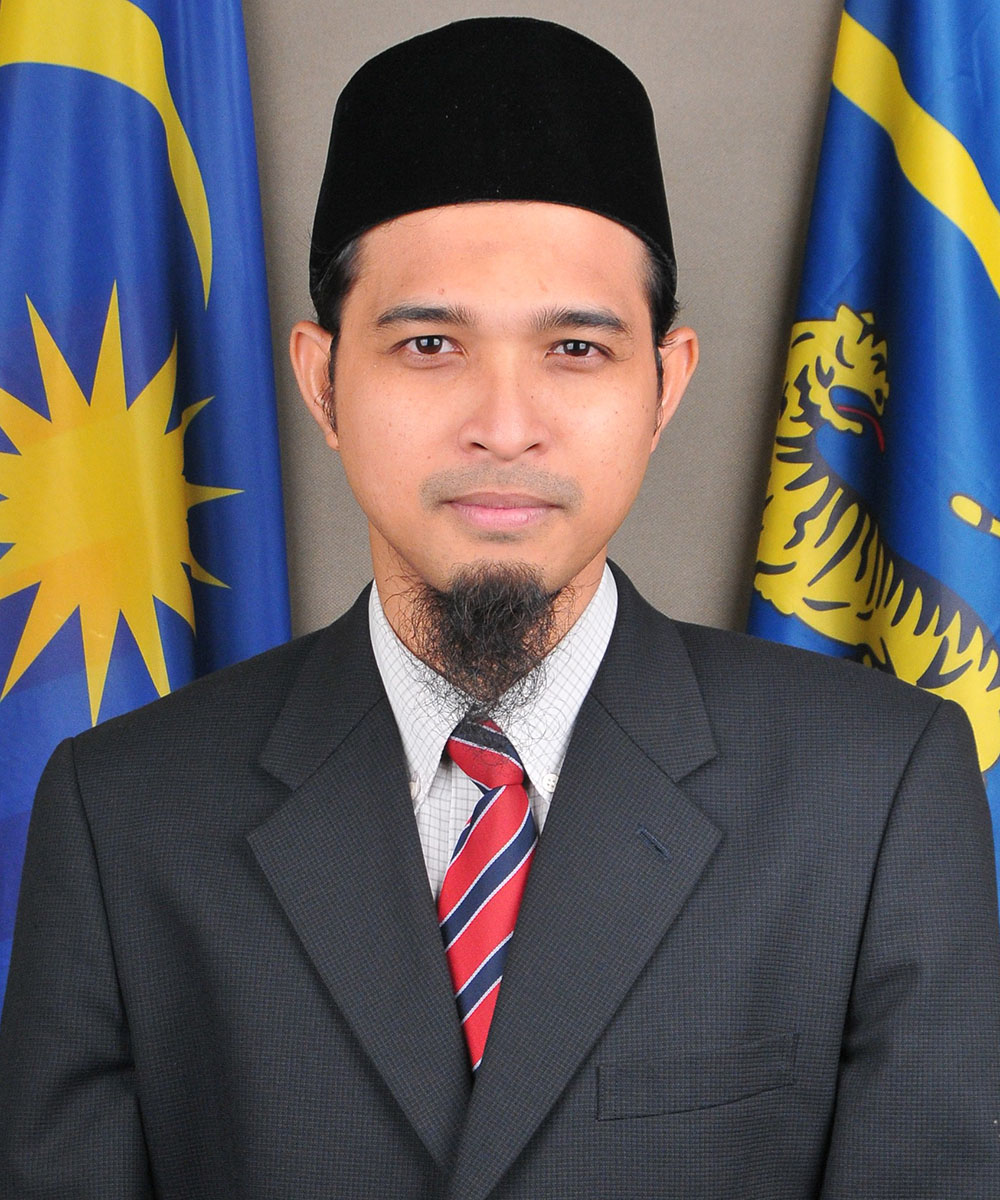 | Dr. Mohamadariff Bin Othman Specialize in a range of expertise including ceramics, particularly in the area of dielectric resonator characterization, as well as device fabrication and process simulation such as dielectric resonator antenna design, planar antenna for partial discharge (PD), and RF and microwave design including RF filter and oscillator. Recent research has involved the development of an ultra-high frequency antenna sensor with self-identification and ambient noise reduction for detecting partial discharge in open substations. In addition, research focused on designing and simulating antennas for 5G communication and creating a high-gain Fabry-Perot antenna with broadband low radar cross-section and deflected beam radiation for stealth platforms. [UMEXPERT PROFILE] [PUBLONS-Web of Science] [PUBLICATIONS] [GOOGLESCHOLAR] | |
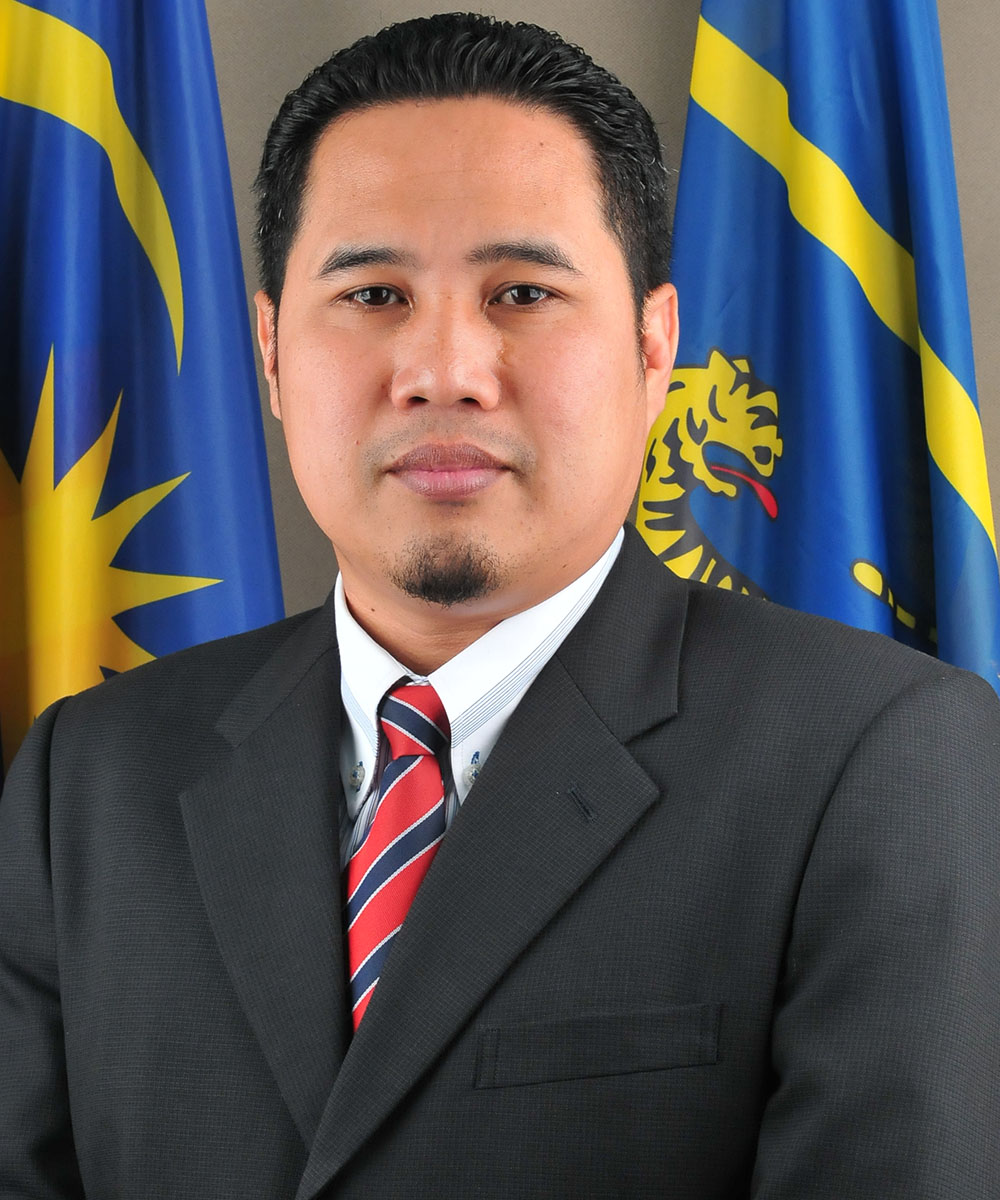 | Dr. Mohamad Sofian Bin Abu Talip Specialize in the development of adaptable systems such as reconfigurable systems, embedded systems, and edge AI. The researcher also work extensively with the Internet of Things, systems on programmable chips, and FPGA-based design. Recently, research conducted on the design and characterization of a compact single-layer multibeam array antenna. This antenna utilizes an 8x8 Butler matrix and is intended for 5G base station applications. Additionally, the research involves network reconfiguration for variable load profiles, using artificial intelligence to enhance communication efficiency and network adaptability. [UMEXPERT PROFILE] [PUBLONS-Web of Science] [PUBLICATIONS] [GOOGLESCHOLAR] | |
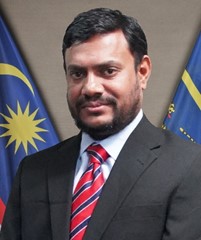 | Dr. Mohammad Aminul Islam Specialize in researching and developing semiconductor materials, optical materials, and energy transportation technologies. A recent focus of work has been on the creation of spin-coated high mobility MoO3 thin films, which are intended to significantly enhance the efficiency of lead-free perovskite solar cells. Additionally, research also involved in the environmentally friendly synthesis of lead sulphide nanoparticles for use in high-efficiency perovskite solar cell applications. Another significant area of research involves utilizing cubic silicon carbide (3C-SiC) as a buffer layer to improve the efficiency and stability of CdTe solar cells. The overarching goal of these endeavors is to advance the performance and sustainability of solar energy technologies. [UMEXPERT PROFILE] [PUBLONS-Web of Science] [PUBLICATIONS] [GOOGLESCHOLAR] | |
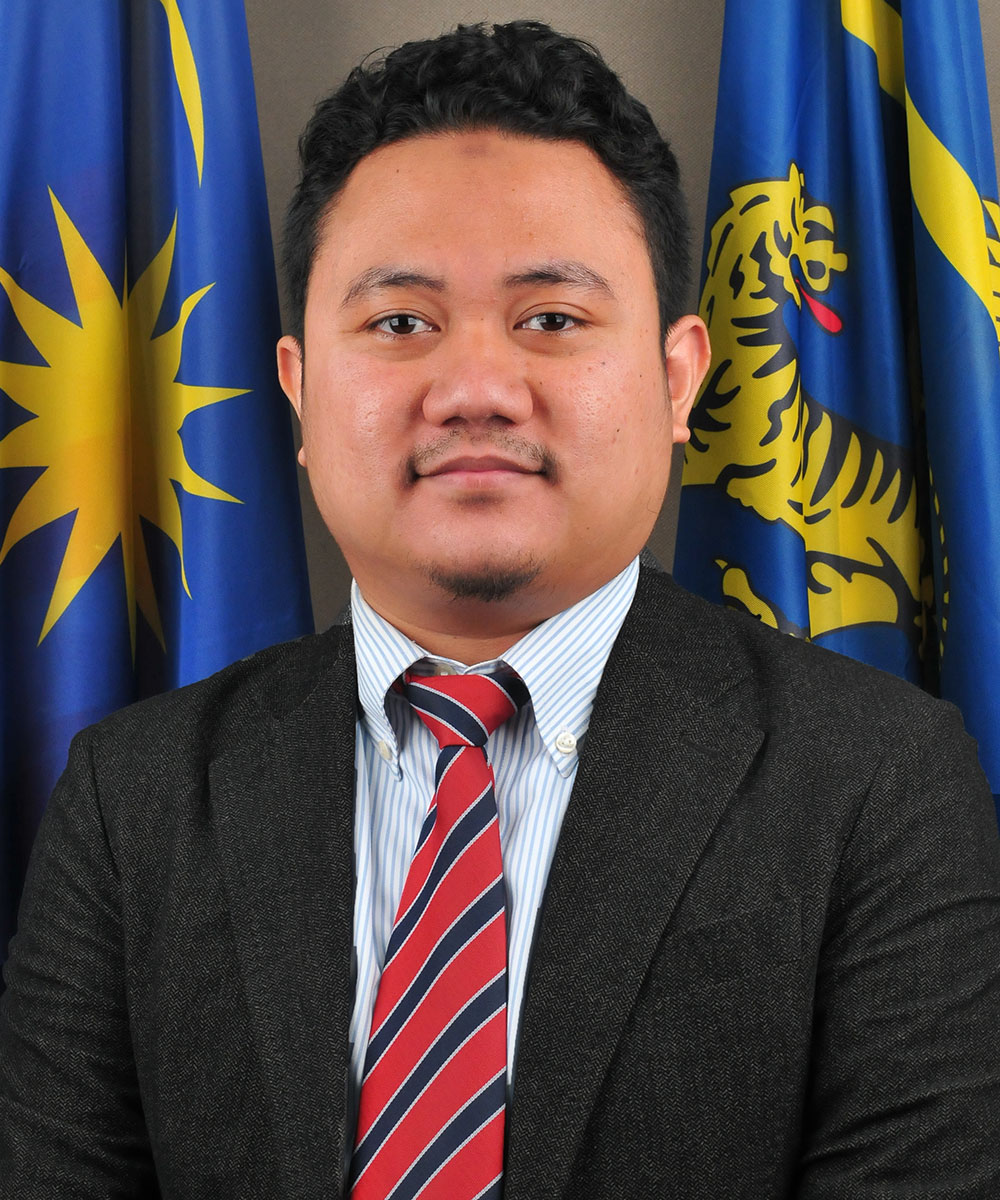 | Dr. Mohd Faiz Bin Mohd Salleh Primary area of expertise involves renewable energy, specifically focusing on thermoelectrics. Recent research has centered around conducting a first principles study to evaluate the effectiveness of pyrostilpnite (Ag3SbS3) as a thermoelectric material. Additionally, investigation on the use of mixed wettability surfaces on solar still covers to improve freshwater production, as well as examining the properties of Sn0.7Cu solder alloys containing Fe and Bi. These undertakings are geared towards advancing the efficiency and practical applications of renewable energy technologies. [UMEXPERT PROFILE] [PUBLONS-Web of Science] [PUBLICATIONS] [GOOGLESCHOLAR] | |
 | Dr. Noorhayati Binti Idros Dr. Noorhayati Idros specializes in the development of advanced biochemical sensors for water quality and environmental monitoring, with a focus on integrating nanotechnology and photonics to design low-cost, portable systems for the detection of contaminants such as explosives (e.g., 2,4,6-trinitrotoluene) and heavy metals. Her interdisciplinary research explores the use of environmentally compatible nanophotonic structures, functionalized with aptamers, DNA, and chemical materials on colloidal photonic crystal (PC) surfaces. These are coupled with microfluidic paper-based devices (μPADs) to create sensitive, user-friendly sensing platforms. In addition, she is actively involved in the use of bioindicators and the development of non-invasive glucose sensors fabricated through direct laser writing, contributing to innovative solutions in environmental monitoring and health diagnostics [ONLINE CV] [PUBLONS-Web of Science] [SCOPUS] [GOOGLESCHOLAR] | |
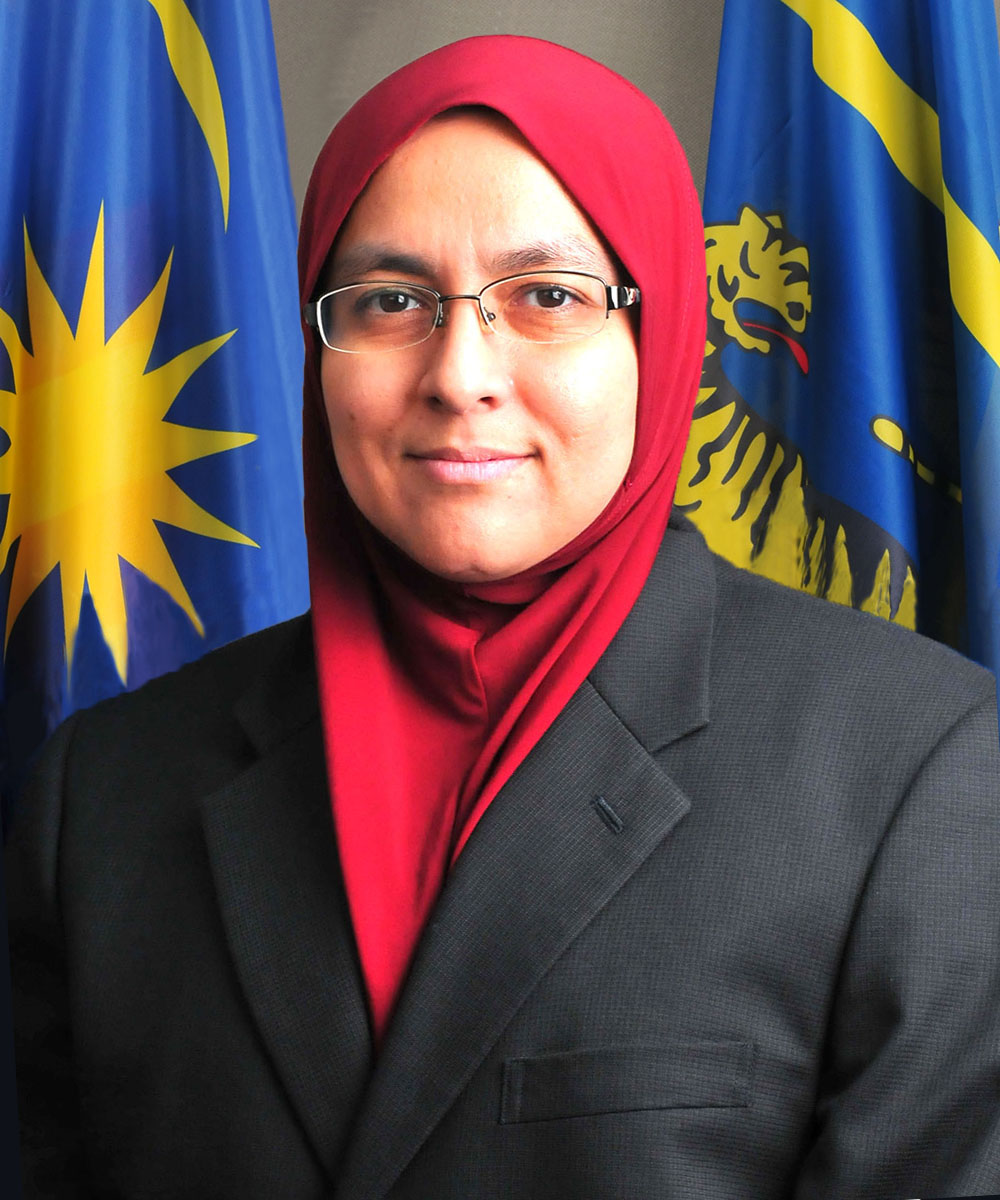 | Dr. Noraisyah Binti Mohd. Shah Specialization in the field of satellite communications with a focus on signal processing and the propagation of radiowaves. Recently, conducted research on detecting and categorizing road signs in rainy conditions using a limited dataset. Additionally, the research engaged in a systematic literature review on autonomous path planning for unmanned aerial vehicles. These endeavors are aimed at enhancing signal reliability in difficult environments and advancing autonomous navigation systems for aerial applications. [UMEXPERT PROFILE] [PUBLONS-Web of Science] [PUBLICATIONS] [GOOGLESCHOLAR] | |
 | Dr. Nurulafiqah Nadzirah Binti Mansor Specialize in power engineering, with a focus on power systems, power distribution, integrating renewable energy, implementing smart grids, ensuring power system reliability, and using mathematical modeling and optimization. Recent research involves determining the best sizes for combined diesel generator/fuel cell/photovoltaic system components using a multi-objective strategy and sea lion optimization algorithm. Research also on optimizing distribution system expansion planning by incorporating distributed generation based on the N-1 criterion for sustainable systems. [UMEXPERT PROFILE] [PUBLONS-Web of Science] [PUBLICATIONS] [GOOGLESCHOLAR] | |
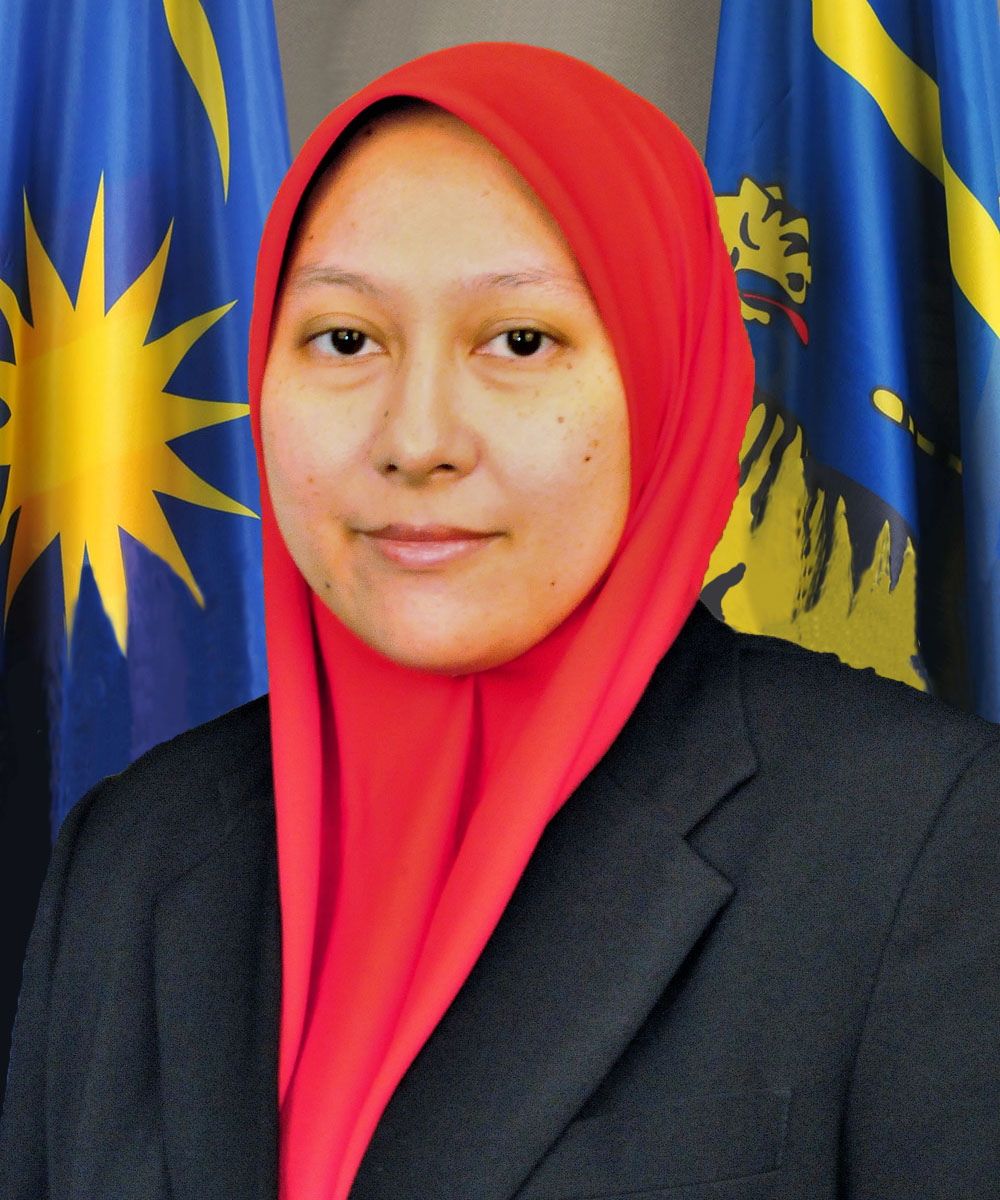 | Dr. Sharifah Fatmadiana Binti Wan Muhammad Hatta Research revolves around staying ahead of the curve in wearable electronics, ensuring the reliability and testing of semiconductors, delving into advanced semiconductor modeling, and exploring the intricacies of IC design. Recent research focused on creating screen-printed biodegradable flexible organic electrochemical transistors using poly(3,4-ethylenedioxythiophene) polystyrene sulfonate and a solid-state chitosan polymer electrolyte. Research aslo involved in developing improved techniques for the deposition of high-kappa thin films on metal oxide semiconductor devices, as well as investigating the wide array of inkjet-printed flexible sensor structures for potential biomedical applications. [UMEXPERT PROFILE] [PUBLONS-Web of Science] [PUBLICATIONS] [GOOGLESCHOLAR] | |
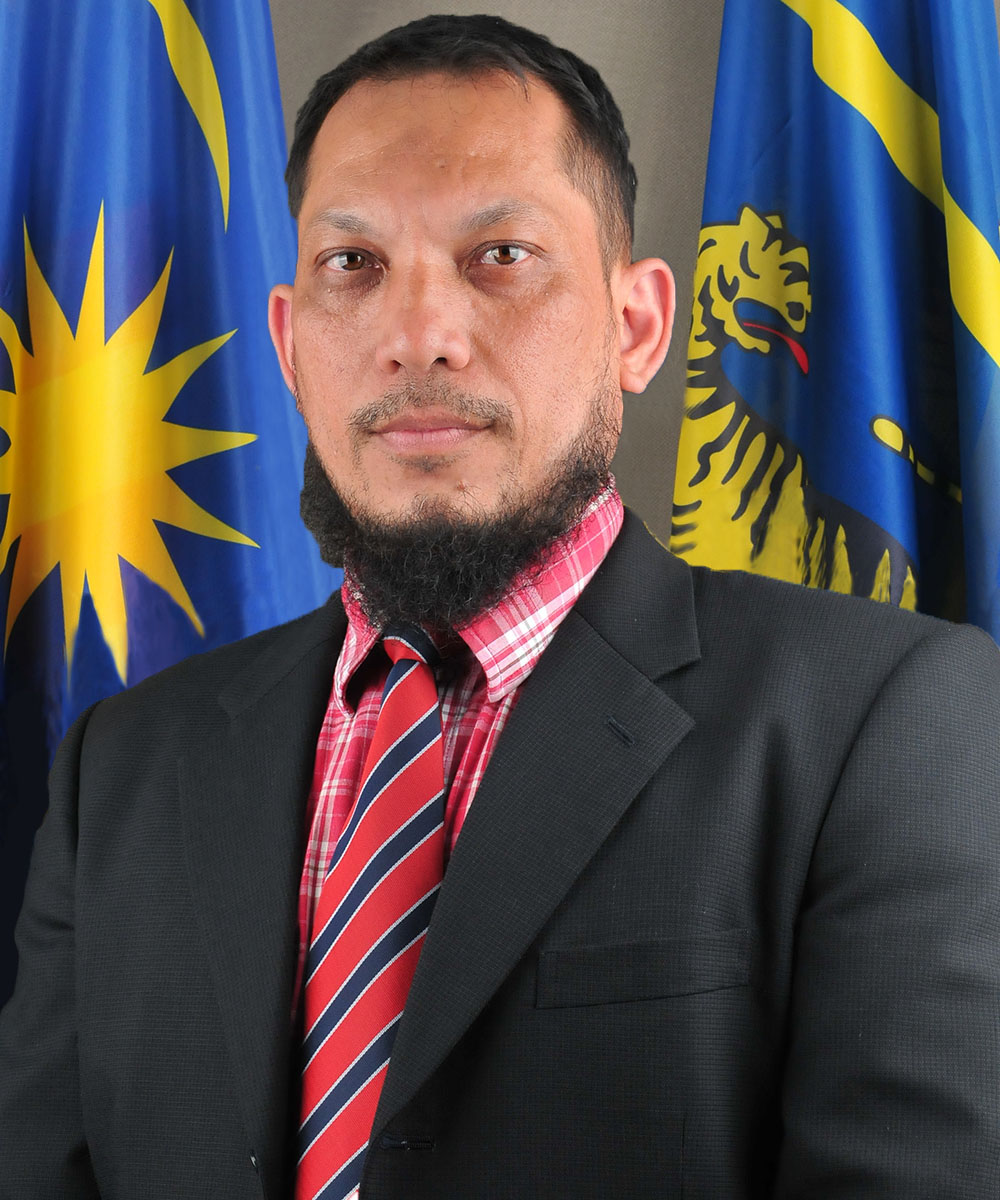 | Dr. Tarik Bin Abdul Latef Research dedicated to advancing sensor and antenna technologies. Recent projects involve creating a flat sensor to reduce noise during the detection of partial discharge in open substations, studying the nearfield radio connections of normal mode helical antennas for wireless capsule endoscopy, and developing Fabry-Perot antennas with artificial magnetic conductors and phase gradient metasurfaces to decrease radar cross section and increase the directional radiation of tilted beam antennas across a wide frequency range. The goal of this research is to improve the accuracy of detection and the performance of antennas across a wide range of applications. [UMEXPERT PROFILE] [PUBLONS-Web of Science] [PUBLICATIONS] [GOOGLESCHOLAR] | |
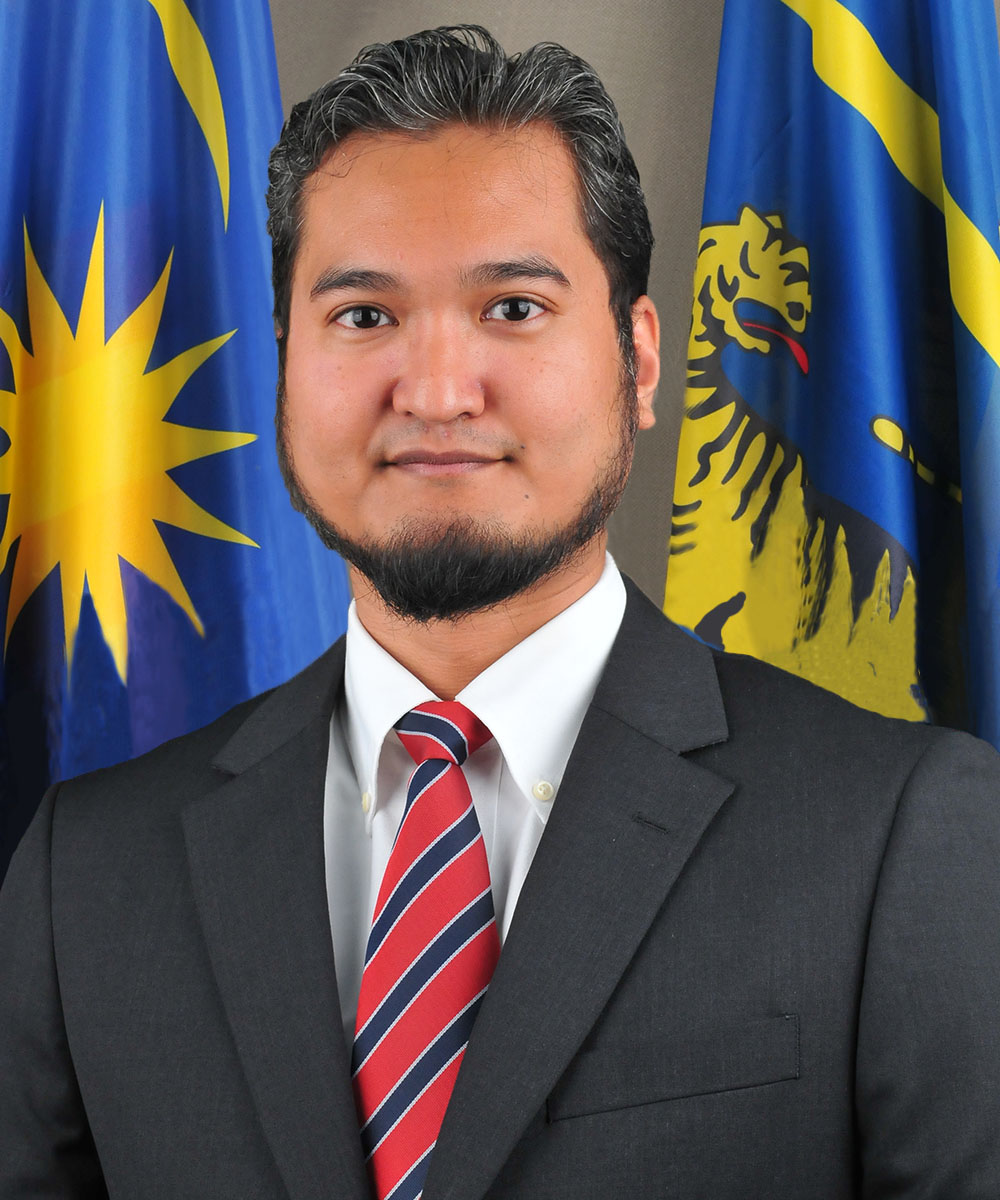 | Dr. Tengku Faiz Bin Tengku Mohmed Noor Izam Research expertise covers microwave and millimeter-wave technology, with a particular focus on wireless channel characterization, electromagnetic bandgap antennas, and MIMO antenna selection. In recent research, the researcher has been working on creating a compact beam-steerable antenna using parasitic elements and exploring channel characterization beyond 5G networks at extremely high-frequency bands exceeding 100 GHz. The goal of this work is to push the boundaries of antenna design and improve the performance of wireless communication in emerging high-frequency applications. [UMEXPERT PROFILE] [PUBLONS-Web of Science] [PUBLICATIONS] [GOOGLESCHOLAR] | |
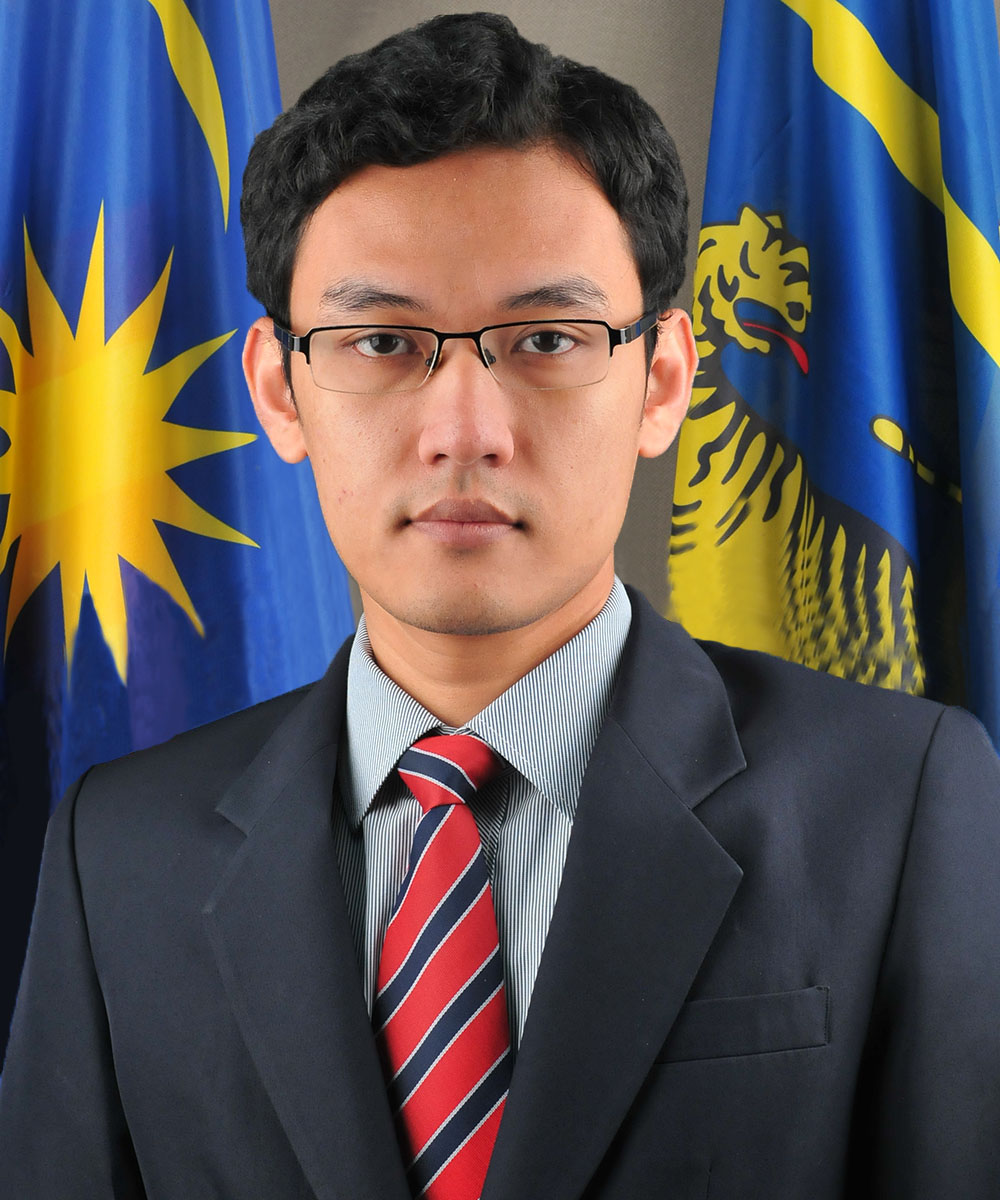 | Dr. Wan Amirul Bin Wan Mohd Mahiyidin Research focus is on telecommunications, particularly in the area of multiple antenna systems. Recent research involving in cutting-edge research that involves creating advanced localization techniques using joint angle of departure (AOD) and received signal strength (RSS) methods in massive MIMO systems. Additionally, my work includes analyzing downlink rates in training-based massive MIMO systems with wireless backhaul networks, and developing a low-profile metal-mountable UHF RFID tag antenna suitable for use on metallic objects. These studies are aimed at enhancing localization accuracy, improving system performance, and integrating RFID technology more effectively. [UMEXPERT PROFILE] [PUBLONS-Web of Science] [PUBLICATIONS] [GOOGLESCHOLAR] | |
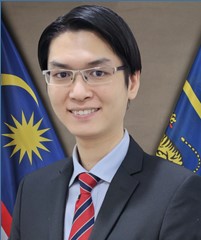 | Ir. Ts. Dr. Wong Jee Keen Raymond Primary research revolves around the monitoring of insulation conditions, studying partial discharge phenomena, and utilizing machine learning and deep learning for fault localization and classification. Recent research has been specifically geared towards improving non-conventional insulation fault localization using deep learning techniques to enhance accuracy and noise resilience. Additionally, current research involves developing firmware test plan recommendations through sentiment analysis-based machine learning. These endeavours are aimed at enhancing fault detection and testing processes within electrical systems. [UMEXPERT PROFILE] [PUBLONS-Web of Science] [PUBLICATIONS] [GOOGLESCHOLAR] | |
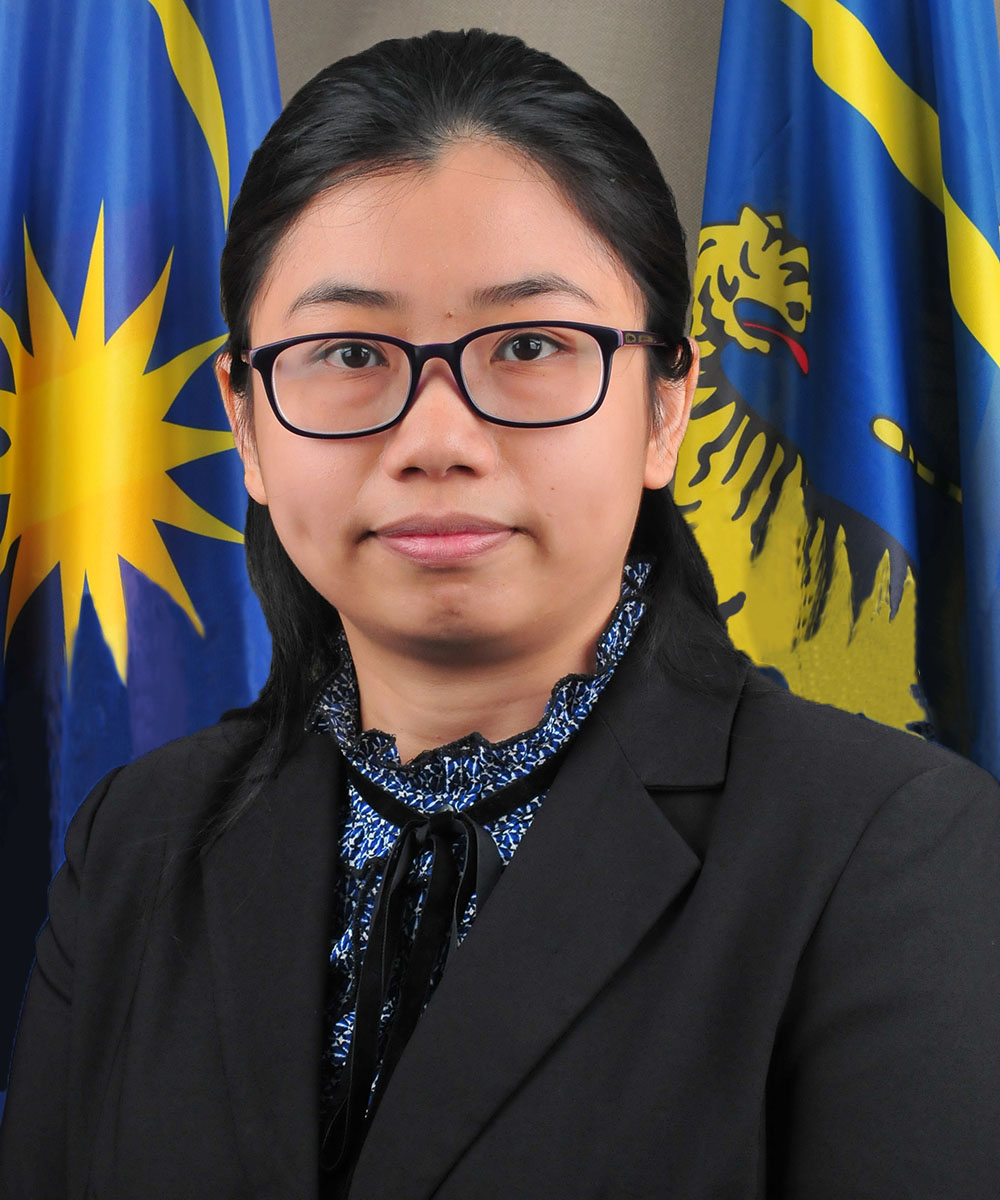 | Ir. Dr. Wong Wei Ru Research focused on a wide range of photonics research, with a particular emphasis on the development of planar waveguides and optical fibers utilizing surface plasmon for sensing applications. Recent research projects involved the development of a rapid and label-free immunosensor utilizing plasmonic nanohole arrays on optical fiber tips. Other research involving the investigation of the key parameters that influence the formation of Fano resonance in large-mode-area optical fibers. These studies are aimed at improving sensing capabilities and enhancing the performance of optical fibers for advanced applications. [UMEXPERT PROFILE] [PUBLONS-Web of Science] [PUBLICATIONS] [GOOGLESCHOLAR] | |
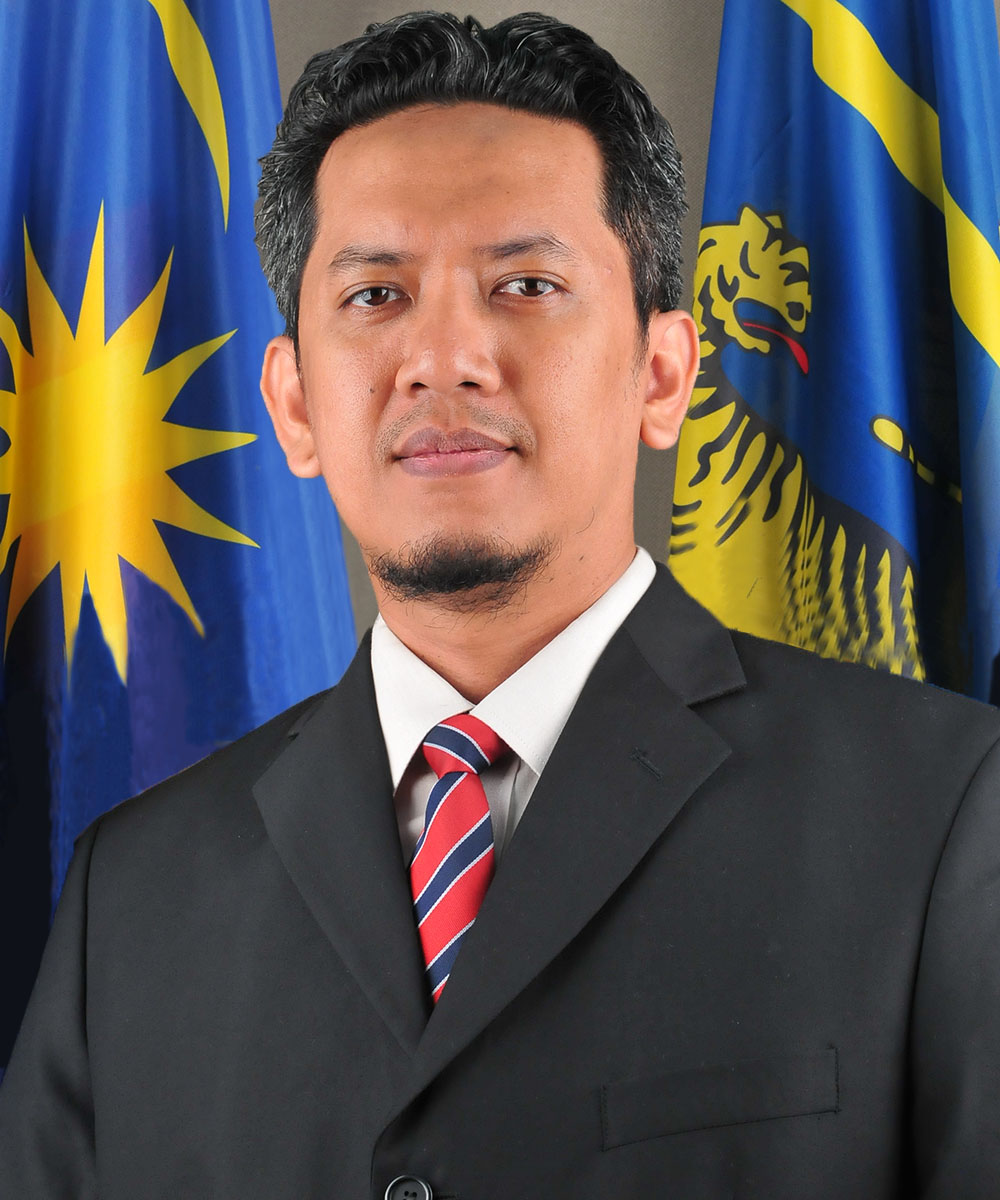 | Dr. Mahazani Bin Mohamad Expert in Computer Systems Engineering, research focuses on evaluating the performance of LoRa networks for water quality monitoring systems. Additionally, I have been working on implementing embedded machine learning techniques to improve traffic management, specifically in the area of vehicle detection. The ultimate goal of this work is to optimize network performance for environmental monitoring purposes and to enhance traffic flow and safety through the use of advanced machine learning methodologies. [UMEXPERT PROFILE] [PUBLONS-Web of Science] [PUBLICATIONS] [GOOGLESCHOLAR] | |
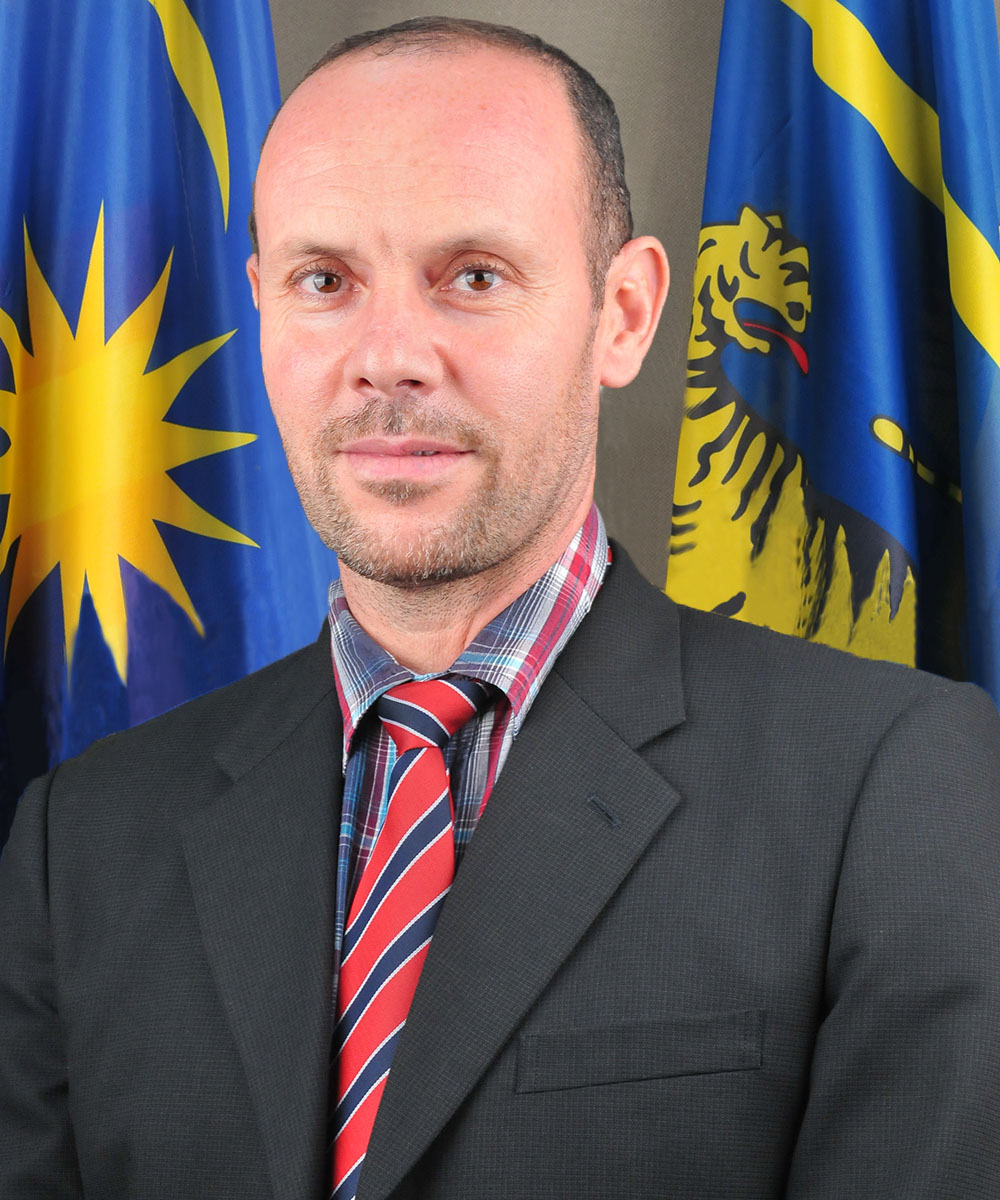 | Dr. Saad Makhilef Honorary Professor
[ONLINE CV] [PUBLONS-Web of Science] [SCOPUS] [GOOGLESCHOLAR] | |
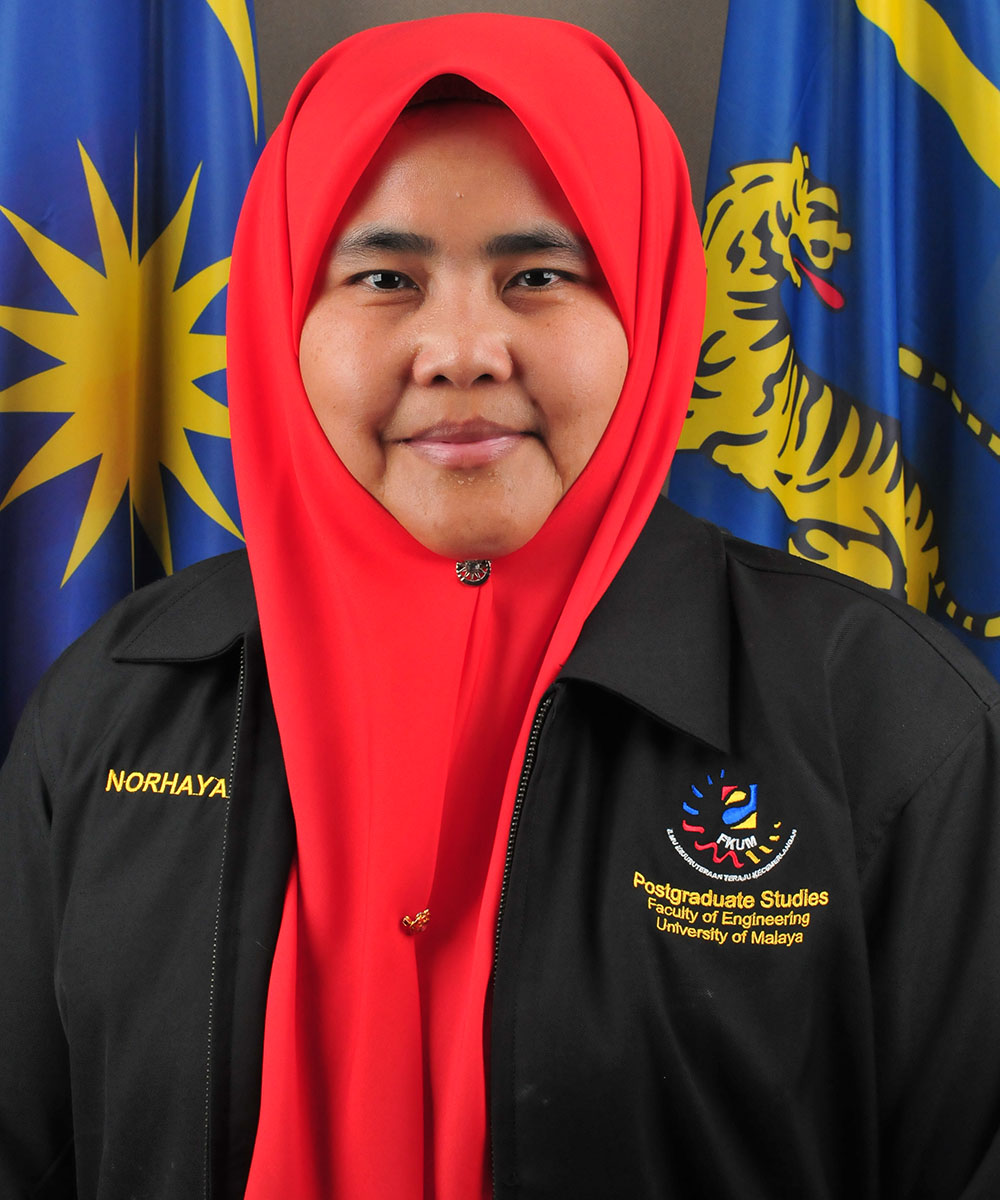 | Ir. Dr. Norhayati Binti Soin Dr. Norhayati is an Honorary Professor at Universiti Malaya, specializing in microelectronics and MEMS for biomedical and RF applications. With a PhD in Electronics and Systems Engineering, she has led significant research projects, contributed to Malaysia’s national MEMS roadmap, and served as chair of the IEEE Electron Devices Society Malaysia Chapter. An accomplished researcher and mentor, she has published extensively and received awards such as the MIMOS Prestigious Award. Dr. Norhayati still remains actively involved in research, supervision, and national initiatives in microelectronics. [PUBLONS-Web of Science] [SCOPUS] [GOOGLESCHOLAR] | |
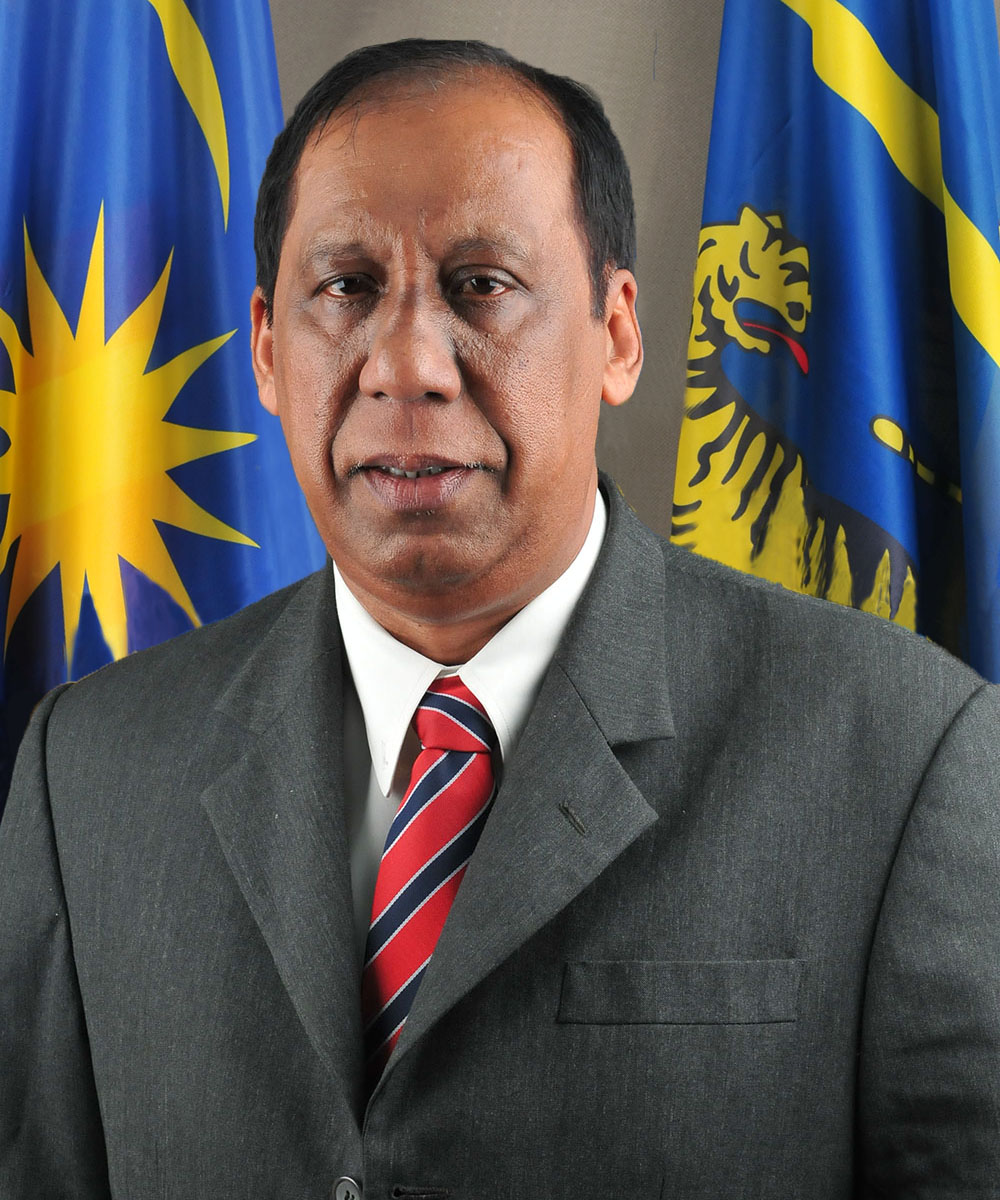 | Dr. Raveendran Paramesran Dr. Raveendran Paramesran is an Honorary Professor at the Department of Electrical Engineering, Universiti Malaya, following his retirement in 2018. Before joining Universiti Malaya, he worked as a systems designer in the U.S.A. His research expertise includes image and video analysis, signal processing, and artificial intelligence applications in sports and agriculture. Dr. Raveendran has published extensively on image processing topics such as moment invariants, image quality assessment, and medical image analysis, with highly cited works on Krawtchouk and Zernike moments. He holds a Doctor of Engineering degree and a Master of Science in Electrical Engineering from South Dakota State University. Throughout his career, he has contributed significantly to advancing computational methods in image analysis and continues to be active in research and academic mentorship. [PUBLONS-Web of Science] [PUBLICATIONS] [GOOGLESCHOLAR] |
Last Update: 25/08/2025